
Brant cloth dryers are widely appreciated for their durability, advanced drying technology, and energy-efficient performance. These appliances are designed to handle large loads while maintaining fabric quality and reducing drying time. However, like any mechanical device that operates frequently, cloth dryers may develop technical issues over time due to continuous usage, electrical fluctuations, or component wear.
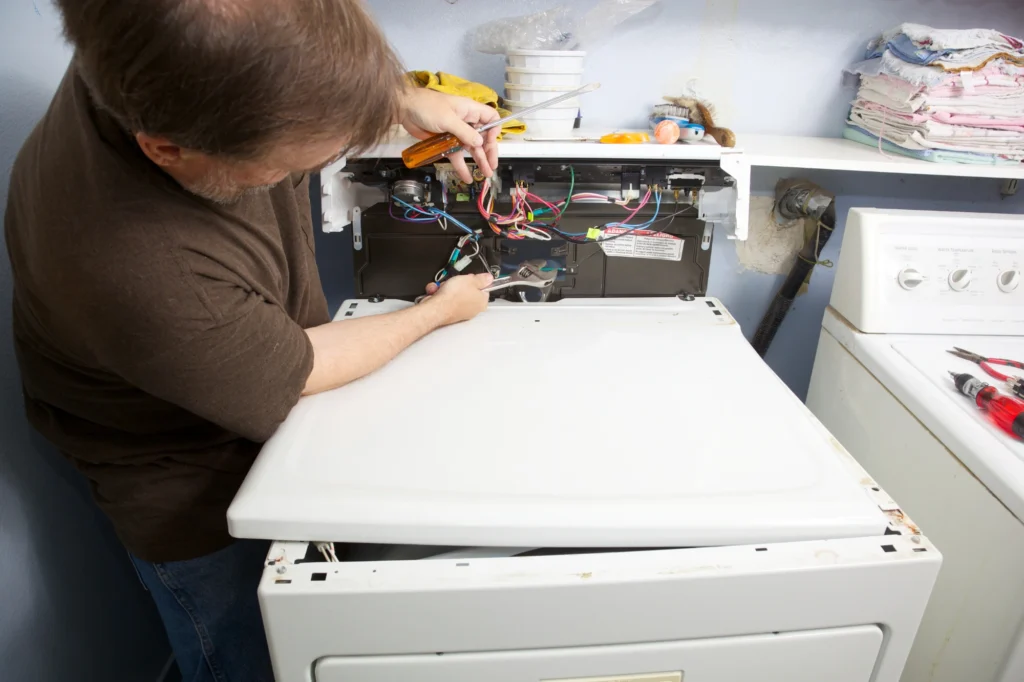
When a dryer begins to malfunction—whether it stops heating, produces unusual noises, or fails to start—it can disrupt daily routines and create inconvenience for households. Wet laundry piling up quickly becomes a problem, especially in apartments or homes without adequate outdoor drying space.
Modern households rely heavily on appliances that simplify daily chores and improve efficiency. Among these appliances, the cloth dryer plays a vital role in maintaining a smooth and convenient laundry routine. In busy residential communities such as Wadi Al Safa, where families manage demanding work schedules and active lifestyles, a reliable cloth dryer is essential for keeping clothes dry, clean, and ready to wear.
Professional Brant Cloth Dryer Repair Wadi Al Safa services provide fast and reliable solutions for these issues. Experienced technicians can diagnose the problem accurately, replace faulty components, and restore the dryer’s performance efficiently. With expert repair services, homeowners can extend the lifespan of their appliances and avoid costly replacements.
Importance of Professional Brant Cloth Dryer Repair in Wadi Al Safa
Cloth dryers are complex appliances that combine electrical systems, heating components, rotating drums, ventilation systems, and electronic control boards. Each component must work together perfectly to ensure efficient drying.
If even one part fails, the entire appliance may stop functioning correctly. For example, a faulty heating element can prevent clothes from drying properly, while a malfunctioning motor may stop the drum from rotating.
Attempting DIY repairs without proper training can lead to several risks:
• Electrical hazards
• Damage to internal components
• Incorrect installation of replacement parts
• Voiding the manufacturer’s warranty
Professional repair technicians have the experience and specialized tools required to safely diagnose and fix dryer issues.
Benefits of Professional Repair Services
Accurate Fault Diagnosis
Certified technicians quickly identify the root cause of the problem using diagnostic equipment.
Safe Appliance Handling
Dryers contain heating elements and electrical wiring. Professionals ensure safe repair procedures.
Use of Genuine Spare Parts
Authentic Brant replacement components improve reliability and ensure compatibility.
Time-Efficient Repairs
Professional technicians complete repairs quickly, minimizing disruption to your daily routine.
Extended Appliance Lifespan
Regular servicing and proper repairs prevent major mechanical failures.
In a residential area like Wadi Al Safa, where modern apartments and villas rely on appliances for convenience, professional dryer repair services are essential for maintaining efficient home operations.
Common Pain Points for Brant Cloth Dryers in Wadi Al Safa
Even high-quality dryers like Brant models may experience performance issues over time. Understanding these common problems helps homeowners recognize early warning signs and seek professional repair services before the situation worsens.
Below are the most frequent pain points requiring Brant Cloth Dryer Repair Wadi Al Safa services.
1. Dryer Not Heating Properly
One of the most common issues homeowners experience is a dryer that runs but fails to produce heat.
Symptoms
• Clothes remain damp after a complete cycle
• Dryer drum rotates normally but does not generate heat
• Drying cycles take much longer than usual
Possible Causes
The most common cause is a defective heating element. Over time, heating elements may burn out due to frequent use or electrical fluctuations. Another possible cause is a malfunctioning thermal fuse, which prevents overheating by shutting down the heating system.
A faulty thermostat may also misread the internal temperature and prevent the dryer from heating properly.
Impact
Without proper heat, the dryer cannot remove moisture from clothing effectively. This results in repeated drying cycles, increased electricity consumption, and frustration for homeowners.
Solution
Professional technicians inspect the heating element, thermal fuse, and thermostats. Faulty components are replaced to restore proper heating functionality.
2. Dryer Not Turning On
A cloth dryer that refuses to start is another common problem experienced by homeowners.
Symptoms
• The control panel does not respond
• Pressing the start button produces no activity
• The dryer remains completely inactive
Possible Causes
Several factors may prevent a dryer from starting. A damaged power cord, faulty door switch, or malfunctioning control board can interrupt the power supply.
In some cases, internal wiring issues or a blown fuse may also prevent the appliance from turning on.
Impact
A non-functional dryer disrupts the entire laundry routine. Wet clothes may accumulate quickly, causing inconvenience for families.
Solution
Technicians inspect electrical connections, test the control board, and replace defective components to restore proper operation.
3. Dryer Drum Not Spinning
The rotating drum is responsible for tumbling clothes inside the dryer, allowing hot air to circulate evenly.
Symptoms
• Dryer starts but the drum does not rotate
• Loud humming sounds without drum movement
• Clothes remain wet because they are not tumbling
Possible Causes
Drum rotation problems may occur due to a worn drive belt. The drive belt connects the motor to the drum, enabling rotation during drying cycles.
Another possible cause is a faulty motor or damaged drum rollers.
Impact
Without proper drum movement, clothes cannot dry evenly. The heating system may still function, but the lack of airflow results in inefficient drying.
Solution
Professional repair technicians replace broken belts, repair motors, and install new rollers to restore smooth drum operation.
4. Dryer Producing Unusual Noises
Dryers usually produce a steady humming sound during operation. However, loud or unusual noises indicate internal mechanical issues.
Symptoms
• Grinding or squeaking sounds
• Loud banging or rattling noises
• High-pitched squeals during operation
Possible Causes
Noise problems often result from worn drum bearings, loose internal components, or damaged rollers.
In some cases, foreign objects such as coins or buttons trapped inside the drum may create rattling sounds.
Impact
Ignoring unusual noises can lead to further damage. Worn bearings or rollers may eventually stop functioning, causing the dryer drum to seize.
Solution
Technicians inspect internal components, remove obstructions, lubricate moving parts, and replace worn mechanical components.
5. Dryer Overheating
Overheating is a serious issue that requires immediate attention.
Symptoms
• Clothes become extremely hot after drying
• Burning smell during operation
• Dryer shuts off unexpectedly
Possible Causes
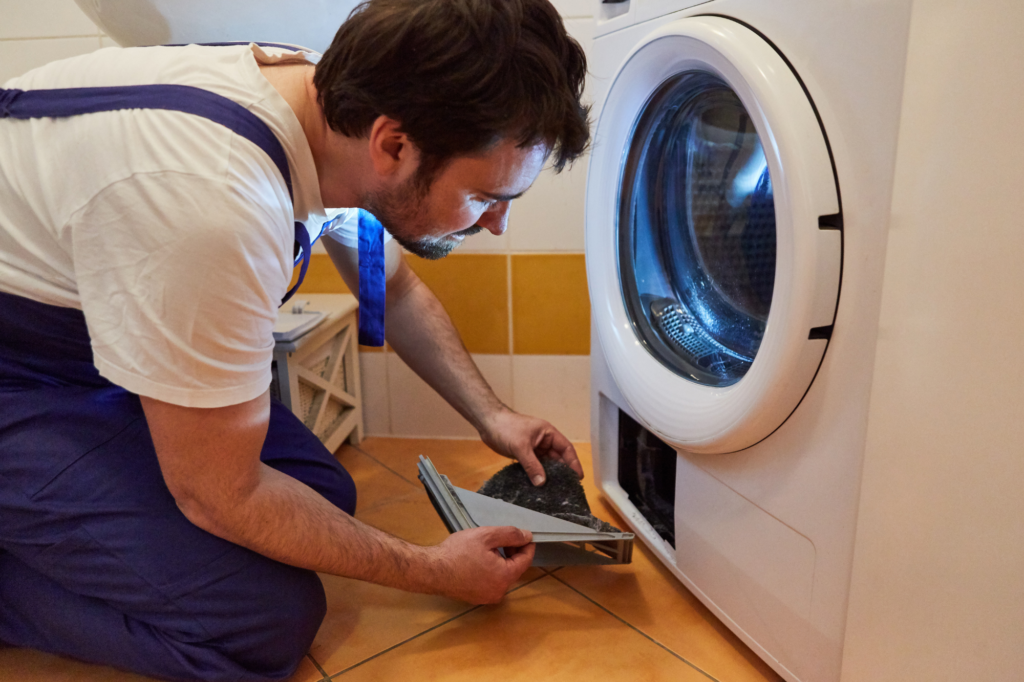
Clogged ventilation systems are one of the most common causes of overheating. When lint accumulates in the vent or lint filter, airflow becomes restricted.
Faulty thermostats or heating elements may also cause excessive heat buildup.
Impact
Overheating can damage clothing, increase fire risk, and reduce the lifespan of the dryer.
Solution
Professional technicians clean ventilation systems, inspect heating components, and replace malfunctioning thermostats.
6. Dryer Taking Too Long to Dry Clothes
If clothes require multiple cycles to dry completely, the dryer may have efficiency problems.
Causes
• Blocked air vents
• Clogged lint filter
• Weak heating element
• Faulty moisture sensor
Impact
Long drying cycles increase electricity bills and reduce appliance efficiency.
Solution
Cleaning vents, replacing sensors, and repairing heating components restore optimal drying performance.
7. Dryer Shutting Off Mid-Cycle
Some homeowners notice that the dryer stops running before the cycle is complete.
Causes
• Overheating protection system activated
• Faulty thermostat
• Electrical control board malfunction
Impact
Interrupted drying cycles prevent clothes from drying properly and indicate potential safety concerns.
Solution
Professional technicians test internal safety systems and repair faulty components.
Preventive Maintenance Tips for Cloth Dryers
Proper maintenance can significantly reduce the likelihood of dryer breakdowns.
Clean the Lint Filter After Every Cycle
Removing lint improves airflow and reduces overheating risks.
Inspect Dryer Vents Regularly
Clogged vents reduce efficiency and may create fire hazards.
Avoid Overloading the Dryer
Excessive loads strain the motor and reduce drying performance.
Check Power Connections
Loose or damaged power cords may cause electrical issues.
Schedule Annual Maintenance
Professional servicing ensures that internal components remain in good working condition.
Understanding Brant Cloth Dryer Error Codes
Modern cloth dryers are designed with advanced diagnostic systems that help identify operational problems quickly. Instead of leaving users guessing why an appliance is malfunctioning, many dryers display specific error codes on the digital control panel. These codes act as early warning signals that indicate which internal component is experiencing a fault.
For homeowners in Wadi Al Safa, understanding these error codes can help prevent serious appliance damage. When a dryer displays an error code, it is essentially communicating that a particular system—such as heating, ventilation, or motor operation—is not functioning properly. Ignoring these warnings may lead to longer drying times, increased energy consumption, or even complete appliance failure.
Professional Brant Cloth Dryer Repair Wadi Al Safa technicians rely on these diagnostic codes to quickly identify the root cause of a malfunction. Instead of dismantling the entire appliance, technicians can focus directly on the faulty component, reducing repair time and cost. Below are some of the most common error codes that may appear on Brant cloth dryers and what they typically indicate.
E1 – Temperature Sensor Error
Meaning
The E1 error code indicates a problem with the dryer’s temperature sensor, also known as the thermistor. This sensor plays a critical role in monitoring the internal temperature of the dryer drum during operation. It continuously communicates with the control board to regulate heat levels and ensure the appliance maintains safe and effective drying conditions.
When the sensor fails to function correctly, the dryer may struggle to detect whether the internal temperature is too high or too low. As a result, the appliance may stop heating altogether or operate unpredictably.
Symptoms
Several noticeable signs may accompany the E1 temperature sensor error:
• The dryer may stop producing heat even though the drum continues to rotate.
• Drying cycles may become inconsistent, with some loads drying normally while others remain damp.
• The appliance may shut down prematurely to prevent overheating.
• The control panel may display the E1 code repeatedly during operation.
Causes
This error may occur due to several factors. A damaged or worn temperature sensor is the most common cause. Over time, exposure to high heat levels can degrade sensor components.
Loose or damaged wiring connections between the sensor and control board can also trigger the E1 error. Additionally, excessive lint buildup or moisture near the sensor may interfere with accurate temperature readings.
Solution
Professional repair technicians inspect the temperature sensor and related wiring using diagnostic tools. If the sensor is faulty, it is replaced with a compatible component. After installation, technicians recalibrate the temperature regulation system to ensure the dryer maintains accurate heat levels.
Proper repair restores safe operation and prevents overheating or inefficient drying.
E2 – Heating Element Failure
Meaning
The E2 error code indicates that the dryer’s heating element has malfunctioned or stopped working entirely. The heating element is responsible for generating the hot air required to remove moisture from clothing during the drying cycle.
Without a functioning heating element, the dryer may still run but will be unable to produce heat.
Symptoms
Common symptoms associated with the E2 error code include:
• The dryer drum rotates normally but produces no heat.
• Clothes remain damp after a full drying cycle.
• Drying cycles become unusually long.
• The appliance repeatedly displays the E2 error code.
Causes
Heating elements can fail due to prolonged use, electrical surges, or general wear and tear. Overheating caused by blocked vents or excessive lint buildup may also damage the heating element over time.
Another possible cause is a blown thermal fuse. The thermal fuse is a safety component designed to shut down the heating system if the dryer overheats.
Impact
When the heating element stops working, the dryer becomes inefficient and ineffective. Homeowners may attempt to run multiple drying cycles to dry clothes, resulting in increased electricity consumption and unnecessary strain on the appliance.
Solution
Repair technicians test the heating element using specialized equipment to determine whether it is functioning properly. If the element is burned out, it is replaced with a new one.
Technicians may also inspect related components such as thermal fuses, thermostats, and wiring to ensure the entire heating system operates safely and efficiently.
E3 – Motor Error
Meaning
The E3 error code indicates a problem with the dryer’s motor. The motor powers the rotating drum and drives the airflow system that circulates heated air through the dryer.
If the motor fails, the dryer cannot tumble clothes properly, preventing efficient drying.
Symptoms
When the E3 error code appears, homeowners may notice several warning signs:
• The dryer drum does not rotate even though the appliance powers on.
• A loud humming or buzzing sound may occur when the dryer attempts to start.
• The dryer may shut off shortly after beginning a cycle.
• The appliance may repeatedly display the E3 code.
Causes
Motor errors may occur due to worn internal components, electrical faults, or excessive strain caused by overloading the dryer.
Lint accumulation inside the motor housing may also restrict movement and cause overheating. Over time, bearings inside the motor may wear out, preventing smooth operation.
Impact
A malfunctioning motor prevents the drum from rotating properly. Without tumbling action, clothes remain wet and unevenly heated.
Ignoring motor problems may lead to further damage to the drive belt, drum rollers, or other mechanical components.
Solution
Technicians inspect the motor assembly, drive belt, and surrounding components. In some cases, replacing worn bearings or removing obstructions may resolve the issue.
If the motor is severely damaged, installing a replacement motor restores normal dryer operation.
E4 – Door Lock Error
Meaning
The E4 error code indicates that the dryer door is not securely closed or that the door lock system is malfunctioning.
Modern dryers are designed with safety mechanisms that prevent operation if the door is open. This feature protects users from potential injury caused by the rotating drum.
Symptoms
Homeowners may notice the following signs when the E4 error code appears:
• The dryer refuses to start even when the power button is pressed.
• The display panel repeatedly shows the E4 code.
• The door appears closed but the appliance does not recognize it.
Causes
This error may occur due to a faulty door switch, worn door latch, or misaligned door mechanism. In some cases, debris or lint may block the door sensor, preventing it from detecting that the door is closed.
Electrical wiring issues between the door switch and control board may also trigger this error code.
Impact
A door lock error prevents the dryer from starting entirely. Although this issue does not typically damage internal components, it disrupts normal appliance operation and prevents laundry from being completed.
Solution
Professional technicians inspect the door latch, switch, and sensor system. If the switch or latch is damaged, it is replaced with a new component.
Proper repair ensures that the dryer door locks securely and that the appliance can start safely.
E5 – Ventilation Error
Meaning
The E5 error code indicates a ventilation problem within the dryer system. Proper airflow is essential for efficient drying because it allows hot air to circulate through the drum and carry moisture away from clothing.
When airflow becomes restricted, the dryer may overheat or struggle to remove moisture effectively.
Symptoms
Common signs associated with the E5 ventilation error include:
• Clothes taking significantly longer to dry
• Excessive heat inside the dryer drum
• The appliance shutting down unexpectedly
• A burning smell caused by overheating lint
Causes
Ventilation errors often occur when lint accumulates in the lint filter, exhaust vent, or internal air ducts. Blocked vents prevent hot air from escaping, causing heat buildup inside the dryer.
Improper installation of vent hoses or crushed duct pipes may also restrict airflow.
Impact
Poor ventilation reduces drying efficiency and increases electricity consumption. More importantly, excessive lint buildup inside dryer vents can create a fire hazard if not addressed promptly.
Solution
Professional technicians thoroughly clean the lint filter housing, exhaust vent, and internal ducts. They may also inspect the ventilation hose to ensure it is properly installed and free from blockages.
Restoring proper airflow allows the dryer to operate efficiently and safely.
Repair vs Replacement
Homeowners often wonder whether they should repair their dryer or replace it.
Repair Is Recommended When
• The appliance is less than 8–10 years old
• The repair cost is relatively low
• The issue involves replaceable parts
Replacement May Be Better When
• The dryer is over 12 years old
• Major components such as the motor repeatedly fail
• Energy efficiency has declined significantly
A professional technician can inspect the dryer and recommend the most cost-effective option.
Frequently Asked Questions (FAQs)
How long does a cloth dryer typically last?
Most cloth dryers have an average lifespan of 10–13 years with proper maintenance. Regular cleaning of vents and professional servicing can extend the lifespan significantly.
Why does my dryer smell like burning?
A burning smell is usually caused by lint buildup in the ventilation system or overheating components. Immediate professional inspection is recommended.
How often should dryer vents be cleaned?
Dryer vents should be cleaned at least once a year to prevent airflow blockages and reduce fire risks.
Can I repair my dryer myself?
Basic maintenance such as cleaning lint filters is safe for homeowners. However, internal repairs involving heating elements or electrical wiring should only be performed by trained technicians.
Why is my dryer making loud noises?
Loud noises may indicate worn drum bearings, damaged rollers, or loose internal components. Professional inspection can identify and fix the issue.
Get Reliable Brant Cloth Dryer Repair Wadi Al Safa
A malfunctioning dryer can quickly disrupt household routines and create unnecessary stress. Whether your Brant cloth dryer is not heating, producing strange noises, failing to start, or displaying error codes, professional repair services can restore its performance efficiently.
Expert Brant Cloth Dryer Repair Wadi Al Safa technicians provide:
• Accurate appliance diagnostics
• Safe electrical and mechanical repairs
• Genuine replacement parts
• Fast and reliable service
• Warranty coverage on repairs
Do not let a small dryer issue turn into a costly appliance failure. Schedule professional repair services today and keep your laundry routine running smoothly with dependable dryer performance.