
A cloth dryer is an essential appliance in modern households, especially in fast-paced urban communities like Al Rigga. Whether you are managing daily laundry for your family or handling large loads on a tight schedule, a reliable dryer ensures convenience, efficiency, and hygiene. However, when your appliance starts malfunctioning, it can quickly disrupt your routine, increase energy costs, and create unnecessary stress.
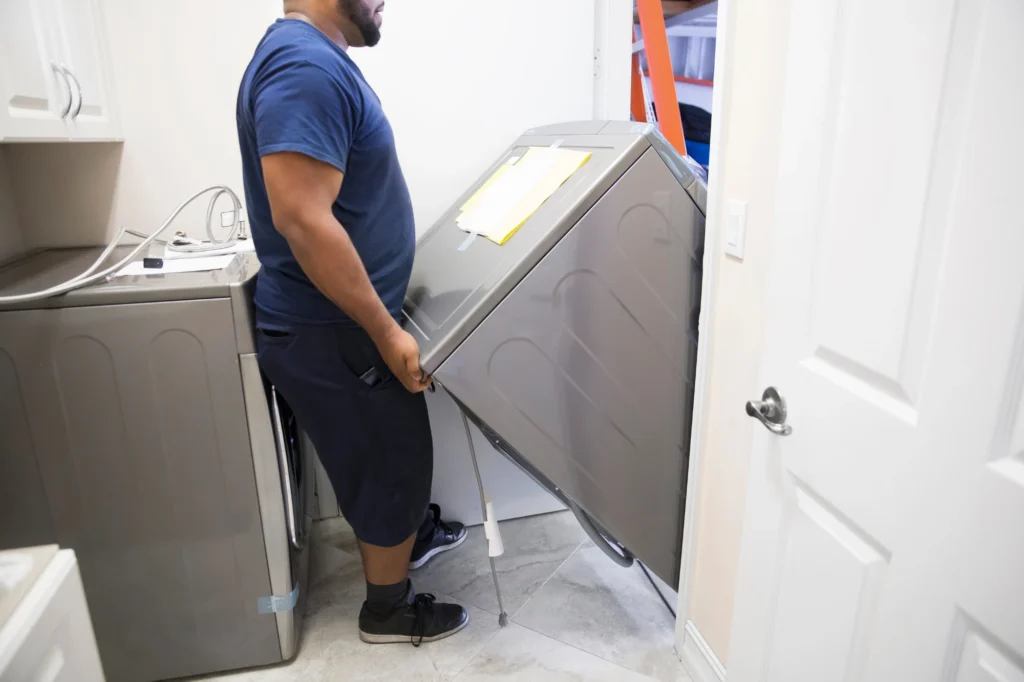
This is where professional Brant cloth dryer Repair Al Rigga services become crucial. From minor performance issues to complex electrical faults, timely repair ensures your dryer continues to function efficiently and safely.
How Brant Cloth Dryers Work
Understanding the internal system of your dryer helps in identifying early warning signs and preventing major breakdowns.
Key Components
Heating Element
Generates heat required to dry clothes effectively.
Drum and Motor
Rotates clothes for even drying.
Moisture Sensors
Detect the level of dampness and adjust drying cycles.
Thermostats and Thermal Fuses
Control temperature and prevent overheating.
Control Board (PCB)
Manages all functions and ensures smooth operation.
A fault in any of these components can affect performance and require professional repair.
Common Pain Points Requiring Brant Cloth Dryer Repair Al Rigga
Dryers are essential household appliances, especially in busy communities like Al Rigga. They save time, maintain hygiene, and provide convenience for families with heavy laundry loads. However, like any complex machine, Brant cloth dryers can develop faults over time. Understanding these issues allows homeowners to detect problems early, prevent further damage, and ensure efficient operation through professional repair. Certified Brant cloth dryer Repair Al Rigga services specialize in addressing these common pain points, restoring performance, and extending appliance lifespan.
1. Dryer Not Heating
One of the most frequent and frustrating issues is when a dryer runs but fails to generate heat. This affects drying performance and causes significant inconvenience.
Symptoms
- Clothes remain damp after a complete cycle
- Dryer operates normally (drum spins, controls respond) but produces no heat
Causes
- Burnt or damaged heating element due to overuse or electrical surges
- Faulty thermostat preventing proper temperature regulation
- Blown thermal fuse triggered by overheating
Impact
A dryer that does not heat leads to repeated drying cycles, increased electricity bills, and wasted time. Heavy fabrics like towels, blankets, and bed linens remain damp, disrupting daily routines and adding stress to household management.
Solution
Professional technicians inspect the heating element, thermostat, and related wiring. Any defective components are replaced with manufacturer-approved parts to restore proper heating. Regular professional checks ensure the dryer functions efficiently, avoids repeated cycles, and maintains energy efficiency.
2. Dryer Not Turning On
A dryer that refuses to start can completely halt laundry routines and create immediate frustration. This problem is often more severe than it appears because it may involve electrical faults.
Symptoms
- No lights or control panel response
- Drum does not rotate, and the appliance seems completely unresponsive
Causes
- Faulty door switch preventing operation
- Power supply issues, such as blown fuses or voltage fluctuations
- Malfunctioning PCB (control board) that prevents electrical signaling
Impact
When the dryer does not start, laundry piles up quickly, and damp clothes may develop unpleasant odors if left unattended. Homeowners often need emergency alternatives, such as using laundromats, which adds extra cost and inconvenience.
Solution
Certified technicians diagnose the electrical system to identify the exact cause. They repair or replace faulty components, ensuring the dryer operates safely and reliably. Using professional repair services reduces the risk of further electrical damage and restores household efficiency.
3. Loud or Unusual Noises
Dryers are designed to operate quietly, so any grinding, squealing, or rattling sounds should be addressed immediately. Persistent noise is often a mechanical warning sign that indicates worn or damaged parts.
Symptoms
- Grinding or squealing noises during operation
- Vibrations that seem abnormal or excessive
- Irregular drum rotation
Causes
- Worn drum rollers or bearings leading to uneven drum movement
- Loose or damaged drive belts
- Motor issues or misaligned components
- Foreign objects trapped inside the drum
Impact
Ignoring unusual noises can result in more serious mechanical failure, potentially damaging the motor or drum. It may also make the dryer unsafe to use and disturb the household, especially if the appliance runs during nighttime hours.
Solution
Technicians perform a thorough inspection of the drum, motor, and belts. Worn parts are replaced, and loose components are tightened or realigned. Timely maintenance prevents further damage, ensures smooth operation, and restores quiet and reliable performance.
4. Dryer Stops Mid-Cycle
When a dryer shuts off unexpectedly before completing a cycle, it can indicate overheating, electrical instability, or airflow issues. This problem not only affects drying performance but can also create potential safety concerns.
Symptoms
- Dryer stops in the middle of the drying program
- Clothes remain partially dry
- Drum may still rotate briefly, then stop
Causes
- Blocked airflow due to clogged vents or lint buildup
- Overheating sensors activated to protect the appliance
- Motor overheating from prolonged use or mechanical strain
- Control board faults that interrupt normal operation
Impact
Mid-cycle shutdowns disrupt daily routines and prolong laundry time. Repeated interruptions increase energy consumption and put additional stress on the motor and heating elements, accelerating wear and tear.
Solution
Professional servicing addresses the root causes by cleaning vents and airflow systems, inspecting sensors, and testing electrical components. Faulty parts are replaced, and the dryer is recalibrated for safe, consistent operation. This ensures reliable performance while maintaining household safety.
5. Extended Drying Times
Dryers that take longer than usual to complete cycles may seem like a minor inconvenience, but they indicate efficiency problems that should not be ignored.
Symptoms
- Drying cycles last significantly longer than normal
- Clothes remain damp even after a complete program
- Occasional overheating or uneven drying
Causes
- Clogged lint filters restricting airflow and reducing efficiency
- Blocked vents or condenser trays in condenser models
- Weak or partially damaged heating elements
- Miscalibrated moisture or temperature sensors
Impact
Extended drying times increase electricity bills and cause frustration for homeowners. Time-sensitive laundry routines, such as preparing school uniforms or work clothes, are affected. Overuse of the appliance to compensate for inefficiency accelerates wear on key components.
Solution
Certified technicians clean and inspect all airflow paths, including lint filters and vents. Heating elements and sensors are tested and replaced if defective. Regular maintenance ensures efficient cycles, prevents energy wastage, and restores consistent drying performance.
The Emotional and Financial Impact of Dryer Problems
Dryer malfunctions affect more than just the laundry routine. They can have practical, emotional, and financial consequences:
- Stress and frustration: Repeated cycles, damp clothes, and unreliable operation create anxiety in households.
- Increased energy costs: Inefficient dryers consume more electricity, raising utility bills over time.
- Safety concerns: Overheating or electrical faults pose potential fire hazards.
- Clothing damage: Prolonged dampness can lead to unpleasant odors, mold, or fabric deterioration.
Timely professional Brant cloth dryer Repair Al Rigga services help prevent these issues, restoring reliability, safety, and household efficiency.
Why Professional Repair Matters
Many dryer problems seem simple but can escalate if DIY solutions are attempted. Certified technicians offer:
- Accurate diagnosis using manufacturer-approved tools
- Safe handling of electrical and mechanical components
- Genuine part replacements for durability
- Long-term protection against recurring issues
Professional intervention ensures the dryer operates efficiently, safely, and reliably, giving homeowners peace of mind.
Choosing the Right Repair Service in Al Rigga
Selecting a reliable repair service ensures quality results.
What to Look For
- Certified technicians
- Experience with Brant appliances
- Quick response time
- Transparent pricing
- Warranty on repairs
Trusted Brant cloth dryer Repair Al Rigga providers ensure peace of mind.
Brant Dryer Error Codes Explained
Modern Brant dryers are designed with advanced diagnostic systems that make troubleshooting easier and more accurate. These systems display error codes whenever the appliance detects an internal fault. Instead of guessing what might be wrong, these codes provide clear direction, helping technicians identify and resolve issues quickly. For homeowners in Al Rigga, understanding these error codes is essential for preventing major breakdowns, reducing repair costs, and maintaining efficient dryer performance.
Ignoring error codes can lead to serious problems such as motor damage, overheating, or complete appliance failure. Each code represents a specific issue related to electrical, mechanical, or sensor components. Below is a detailed explanation of the most common Brant dryer error codes, their symptoms, causes, and professional solutions.
F01 – Motor Circuit Fault
The F01 error code indicates a fault in the motor circuit, which is responsible for rotating the drum during the drying process. This issue typically involves the motor triac or related electrical components that regulate power supply to the motor.
Symptoms
- Drum does not rotate even when the dryer is running
- A humming or buzzing sound may be heard
- The cycle may stop immediately after starting
Causes
This error often results from damaged wiring, a faulty motor triac, or wear and tear on motor components. Voltage fluctuations or power surges can also disrupt the motor circuit, leading to inconsistent performance.
Solution
Professional technicians inspect the motor circuit, test electrical connections, and replace defective components. If necessary, the motor or triac is replaced to restore proper drum movement. Prompt repair prevents complete motor failure and ensures smooth operation.
F02 – Motor or Sensor Issue
The F02 code signals a problem with either the motor or the sensors that monitor drum rotation. These sensors are crucial for ensuring that the dryer operates correctly throughout the cycle.
Symptoms
- Drum rotation becomes inconsistent
- Dryer stops mid-cycle
- Incomplete drying programs
Causes
Motor wear, faulty sensors, or damaged wiring can trigger this error. Overloading the dryer can also strain the motor, leading to sensor miscommunication and performance issues.
Solution
Technicians conduct a full inspection of the motor and sensor system. Faulty components are replaced, and sensors are recalibrated to ensure accurate operation. This restores reliable drying performance and prevents further damage.
F03 – Temperature Sensor Error
The F03 error code indicates a malfunction in the thermistor or temperature sensor, which regulates heat inside the dryer. Accurate temperature control is essential for efficient and safe drying.
Symptoms
- Dryer produces no heat or excessive heat
- Clothes remain damp after a cycle
- Irregular temperature fluctuations
Causes
This issue can occur due to sensor failure, moisture damage, or electrical faults. Over time, continuous exposure to heat can degrade the sensor’s accuracy.
Solution
Technicians test the thermistor for proper resistance and inspect its wiring connections. Faulty sensors are replaced, and the system is recalibrated to restore accurate temperature control. This ensures efficient drying and prevents overheating risks.
F04 – Thermostat Fault
The F04 error code points to a faulty thermostat, which controls the temperature levels inside the dryer. Without a functioning thermostat, the appliance cannot regulate heat effectively.
Symptoms
- Irregular heating patterns
- Clothes may be too hot or remain damp
- Inconsistent drying cycles
Causes
Thermostat failure is often caused by repeated overheating, electrical surges, or natural wear over time.
Solution
Professional technicians replace the faulty thermostat with a genuine component. This restores proper temperature regulation, improves efficiency, and ensures safe operation. Timely repair prevents damage to other components such as the heating element.
F05 – Drain Pump Issue
The F05 error code is typically found in condenser dryers and indicates a problem with the drain pump or water removal system. Proper drainage is essential for maintaining drying efficiency.
Symptoms
- Water accumulates inside the dryer
- Dryer stops mid-cycle
- Increased drying time
Causes
Blocked drain pumps, lint buildup, or pump motor failure can cause this issue. Over time, debris may clog the system, preventing proper water flow.
Solution
Technicians inspect the drainage system, remove blockages, and test the pump. If the pump is damaged, it is replaced to restore proper operation. Regular cleaning helps prevent recurrence of this issue.
F06 – Door Lock Fault
The F06 code indicates that the dryer is unable to detect a securely closed door. This is a safety feature that prevents the appliance from operating when the door is open.
Symptoms
- Dryer does not start
- Error persists even when the door is closed
- Repeated start failures
Causes
This issue may result from a faulty door latch, misalignment, or damaged wiring in the locking mechanism. Frequent use can also cause wear and tear on the door components.
Solution
Technicians inspect the door lock system, adjust alignment, and replace defective parts. Once repaired, the dryer will recognize the door as closed and operate normally.
F07 – Heating Circuit Problem
The F07 error code indicates a failure in the heating circuit, preventing the dryer from generating heat.
Symptoms
- No heat during operation
- Clothes remain damp
- Extended drying times
Causes
Faulty heating elements, damaged wiring, or relay issues are common causes of this error. Overuse or blocked airflow can also contribute to heating circuit failure.
Solution
Technicians test the heating element and related components. Faulty parts are replaced to restore efficient heating. Prompt repair prevents additional strain on the motor and control system.
F08 – Relay Fault
The F08 code indicates a problem with the heating relay on the control board. This relay controls the activation of the heating element during drying cycles.
Symptoms
- Intermittent heating
- Inconsistent drying performance
- Cycles not completing properly
Causes
Relay faults can occur due to electrical surges, moisture exposure, or prolonged wear. Over time, the relay may fail to switch correctly, causing irregular heating.
Solution
Technicians inspect the control board and test the relay. If necessary, the relay or entire PCB is replaced. This ensures consistent heating and reliable dryer performance.
F09 – Software Error
The F09 error code indicates a problem with the dryer’s software or memory system, usually within the control board.
Symptoms
- Display glitches or flickering
- Unresponsive buttons
- Dryer shutting down unexpectedly
Causes
Software errors can result from power surges, corrupted memory, or long-term use. Electronic components may degrade over time, affecting system performance.
Solution
Professional technicians reprogram the control board or replace it if necessary. This restores full functionality and prevents recurring issues. Proper handling is essential, as PCB repairs require specialized tools and expertise.
Importance of Addressing Error Codes Promptly
Error codes are not just technical messages—they are early warning signals that help prevent serious damage. Ignoring these codes can lead to:
- Motor burnout and drum failure
- Heating element damage
- Increased energy consumption
- Safety hazards such as overheating
Timely professional repair ensures accurate diagnosis, prevents further damage, and restores efficient performance.
Repair vs Replacement
Choose Repair When:
- Issue is minor
- Dryer is relatively new
Choose Replacement When:
- Repair costs are high
- Appliance is very old
Professional advice helps make the right decision.
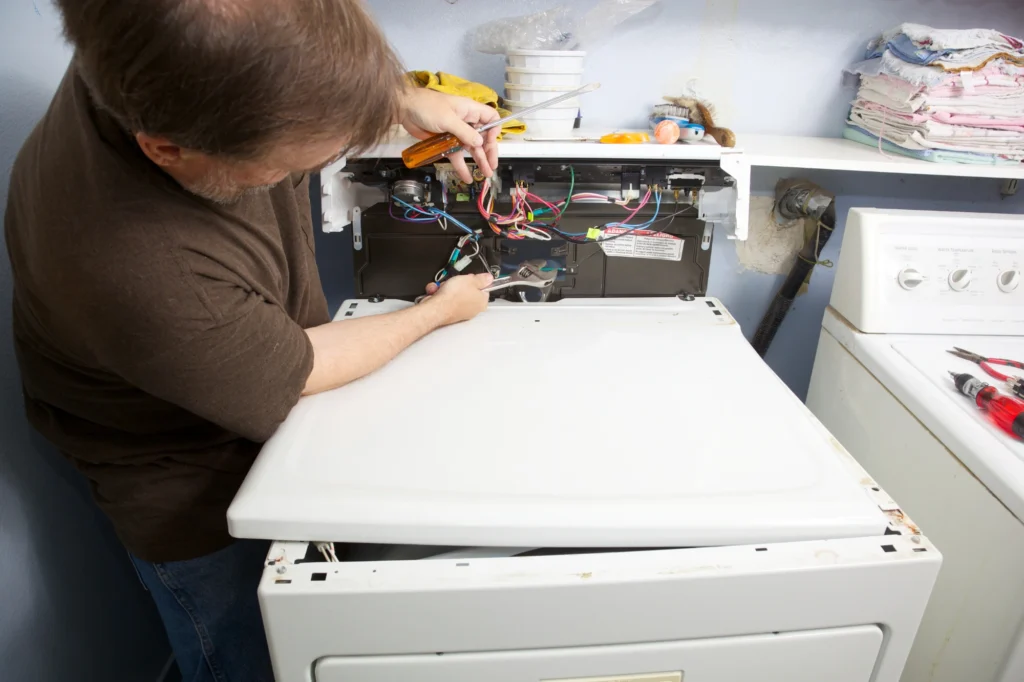
Frequently Asked Questions
How long does dryer repair take?
Most dryer repairs are completed within 1–3 hours, depending on the complexity of the issue. Minor faults like fuses, thermostats, or sensor replacements are usually quick. Major repairs involving motors, heating elements, or control boards may take longer. Certified technicians aim to complete repairs efficiently in a single visit whenever possible. Prompt repair minimizes downtime and restores your laundry routine quickly.
Can I repair my dryer myself?
Basic maintenance like cleaning lint filters and exterior surfaces is safe for homeowners. However, internal repairs involving electrical components, heating elements, or motors should always be handled by professionals. DIY attempts on complex issues can lead to further damage or safety hazards. Certified technicians have the expertise and tools to fix problems safely. Professional repair ensures reliable and long-lasting performance.
Are genuine parts necessary?
Yes, using genuine replacement parts is essential for the dryer’s durability and safety. Authentic components ensure proper fit, functionality, and maintain manufacturer warranty coverage. Non-genuine parts may fail prematurely or cause additional faults. Professional repair services always use manufacturer-approved parts for long-term reliability. This also prevents recurring issues and preserves energy efficiency.
How often should I service my dryer?
Dryers should be professionally serviced at least once a year for optimal performance. Regular maintenance helps detect worn components, clean blocked vents, and prevent overheating. Annual servicing reduces the risk of costly breakdowns and extends appliance lifespan. It also ensures the dryer operates efficiently, saving electricity and protecting your clothes. Routine care keeps your laundry process smooth and hassle-free.
Restore Your Dryer’s Performance Today
A well-functioning dryer is essential for a smooth daily routine. Ignoring small issues can lead to major breakdowns, higher costs, and unnecessary stress.
Professional Brant cloth dryer Repair Al Rigga services provide reliable solutions to keep your appliance running efficiently. With expert technicians, genuine spare parts, and advanced diagnostics, you can ensure long-lasting performance and safety.
Regular maintenance, timely repairs, and professional servicing will help you avoid disruptions and enjoy hassle-free laundry every day.
Reliable repair today means a stress-free home tomorrow.