
Cloth dryers have become an essential part of modern households, especially in communities like Green Community where residents value convenience, time-saving appliances, and efficient home management. Among different brands, Brant cloth dryers are known for their reliable performance, advanced drying technology, and energy efficiency.
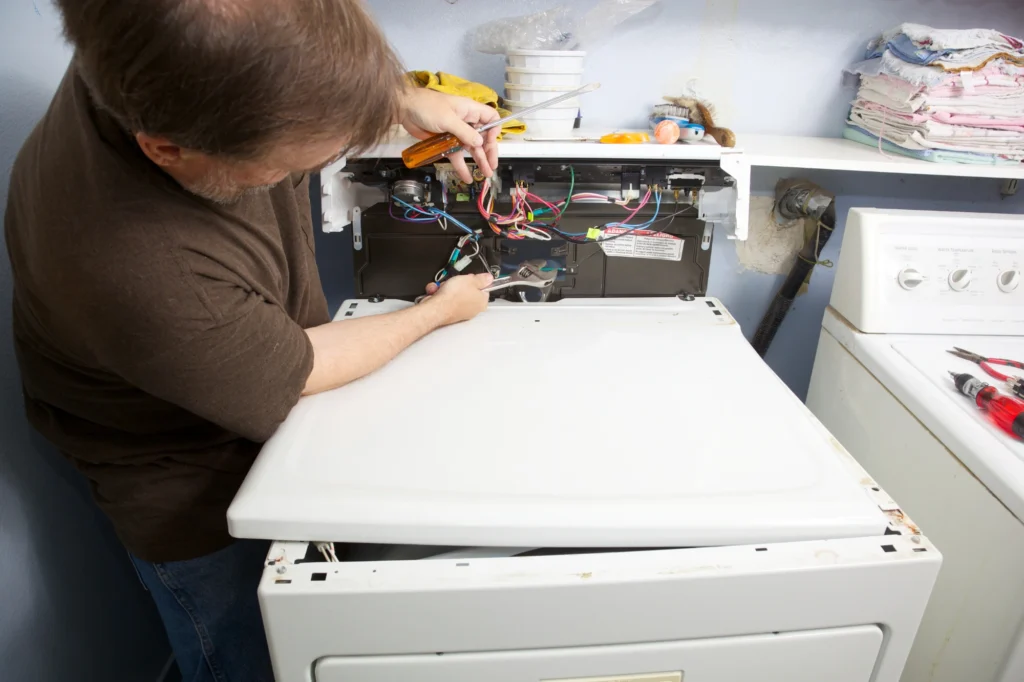
However, like all home appliances, Brant dryers are not immune to wear and tear. Over time, users may face issues such as no heating, long drying cycles, unusual noises, overheating, or complete breakdowns. These problems can disrupt daily laundry routines and cause unnecessary stress.
Why Brant Cloth Dryer Repair in Green Community Is Important
Brant dryers are built with a combination of electrical, mechanical, and airflow systems. When even one component fails, the entire system becomes inefficient.
Key reasons repair is essential:
1. Safety Protection
Faulty dryers can cause:
- Overheating
- Electrical short circuits
- Fire hazards due to lint buildup
2. Energy Efficiency
A damaged dryer consumes more electricity because it struggles to complete drying cycles.
3. Cost Control
Early repair prevents:
- Motor failure
- Heating element damage
- Expensive part replacements
4. Performance Restoration
Proper repair ensures:
- Faster drying cycles
- Even heat distribution
- Reduced laundry time
5. Appliance Longevity
Regular servicing increases the lifespan of your dryer by several years.
Common Brant Cloth Dryer Pain Points in Green Community – Pain Points Explained
A Brant cloth dryer is designed to make laundry faster, easier, and more convenient, especially for busy households in Green Community. However, like all electrical appliances, it can develop technical faults over time due to continuous usage, lack of maintenance, electrical fluctuations, or airflow blockages. These issues not only affect drying performance but also increase energy consumption, create safety risks, and disrupt daily routines. Below are the most common pain points users face along with detailed explanations of their causes and impact.
1. Dryer Not Heating Properly
Symptoms
One of the most frustrating issues is when the dryer runs normally but does not produce heat. Clothes remain damp even after a full cycle, forcing users to repeat drying or air-dry manually.
Common Causes
This problem is usually caused by a faulty heating element, damaged thermostat, or blocked airflow due to lint buildup. Electrical faults inside the heating circuit can also interrupt proper temperature control.
Impact on Users
Without proper heating, drying becomes inefficient and time-consuming. It increases electricity bills, delays laundry schedules, and creates inconvenience in households that rely on daily drying cycles.
2. Clothes Taking Too Long to Dry
Symptoms
Clothes remain damp after one or even multiple cycles, significantly increasing drying time.
Common Causes
The most common reasons include clogged lint filters, blocked exhaust vents, weak heating components, or restricted airflow inside the drum.
Impact on Users
Long drying cycles waste electricity and reduce appliance efficiency. It also disrupts daily routines, especially for families with heavy laundry loads. Over time, it can put extra strain on the dryer motor and heating system.
3. Dryer Not Turning On
Symptoms
The dryer does not respond when the power button is pressed, and the control panel remains completely inactive.
Common Causes
This issue may be due to a faulty power socket, damaged power cord, tripped circuit breaker, broken door switch, or a malfunctioning control board.
Impact on Users
A non-working dryer completely halts laundry operations. It causes inconvenience, especially in busy households, and may lead to emergency repair needs if laundry piles up.
4. Excessive Noise or Vibrations
Symptoms
Unusual sounds such as banging, squeaking, or continuous vibrations during operation.
Common Causes
Worn drum rollers, loose internal components, damaged motor bearings, or objects stuck inside the drum can cause noise issues.
Impact on Users
Excessive noise disturbs household peace and indicates mechanical wear. If ignored, it may lead to serious internal damage, increasing repair costs in the long run.
5. Dryer Overheating Issues
Symptoms
Clothes feel extremely hot, burning smell is noticeable, or the dryer shuts off unexpectedly during operation.
Common Causes
Overheating is often caused by blocked lint filters, restricted ventilation, faulty thermostats, or malfunctioning heating elements.
Impact on Users
This is a serious safety risk as overheating can lead to fire hazards. It may also damage clothes, reduce appliance lifespan, and increase electricity consumption.
6. Drum Not Spinning
Symptoms
The dryer powers on, but the drum does not rotate, resulting in wet clothes after the cycle.
Common Causes
Broken drive belts, faulty motors, worn-out pulleys, or electrical motor failure are common reasons.
Impact on Users
Without drum movement, clothes cannot dry evenly. This leads to repeated cycles, energy waste, and frustration in daily laundry management.
7. Burning Smell During Operation
Symptoms
A strong burning odor coming from the dryer during use, sometimes accompanied by smoke.
Common Causes
Lint buildup near heating elements, electrical short circuits, or overheating components are common triggers.
Impact on Users
This is a critical safety warning. Ignoring it can result in fire hazards, permanent appliance damage, and serious household risks.
8. Dryer Stops Mid-Cycle
Symptoms
The dryer suddenly stops before completing the cycle, leaving clothes partially wet.
Common Causes
Faulty sensors, overheating protection activation, control board errors, or unstable power supply can cause interruptions.
Impact on Users
Interrupted cycles waste time and electricity. They also reduce convenience and indicate deeper electrical or mechanical issues.
9. Weak Airflow Inside Dryer
Symptoms
Clothes come out damp, and hot air circulation feels weak inside the drum.
Common Causes
Blocked lint filters, clogged vents, or failing blower fans restrict proper airflow.
Impact on Users
Poor airflow reduces drying efficiency and increases cycle duration. It also puts stress on heating components, leading to higher repair costs.
10. Electrical Control Problems
Symptoms
Unresponsive buttons, display errors, or random shutdowns during operation.
Common Causes
Faulty control board, damaged wiring, or voltage fluctuations can disrupt electronic functions.
Impact on Users
Electrical issues make the dryer unreliable and difficult to operate. In severe cases, it may stop working completely and require professional repair.
Residential Importance of Brant Dryers
In Green Community homes:
- Saves time on laundry
- Improves household efficiency
- Reduces dependency on outdoor drying
- Ensures hygienic clothing care
Commercial Usage Benefits
In shared laundry setups:
- Handles bulk laundry loads
- Ensures fast turnaround time
- Maintains hygiene standards
Brant Cloth Dryer Error Codes Explained – Complete Guide for Green Community Users
Modern Brant cloth dryers are designed with smart diagnostic systems that display error codes whenever a fault occurs. These codes help identify the exact problem inside the appliance, making repairs faster and more accurate. Instead of guessing the issue, technicians can directly diagnose faults related to heating, airflow, motor function, sensors, or electrical systems. For users in Green Community, understanding these error codes is essential to avoid prolonged downtime, costly damage, and safety risks.
Below is a detailed explanation of common Brant cloth dryer error codes, their causes, symptoms, and professional solutions.
1. E1 – Heating System Error
Meaning
The E1 error indicates a problem in the heating system of the dryer. This means the appliance is unable to generate or regulate heat properly.
Causes
This error is commonly caused by a faulty heating element, damaged thermostat, blown thermal fuse, or wiring issues inside the heating circuit. In some cases, lint buildup can also restrict heat distribution.
Impact
When this error occurs, clothes remain damp even after a full drying cycle. It increases electricity usage and forces users to run multiple cycles, reducing appliance efficiency.
Solution
Professional technicians inspect the heating element, test electrical continuity, and replace faulty components. Cleaning internal airflow paths also helps restore proper heating performance.
2. E2 – Temperature Sensor Fault
Meaning
The E2 code signals that the dryer’s temperature sensor is not working correctly or is sending inaccurate readings to the control board.
Causes
A damaged thermistor, loose wiring, or sensor calibration failure can trigger this error. Moisture or dust accumulation around the sensor may also affect performance.
Impact
Incorrect temperature readings can lead to overheating or underheating, making drying cycles inconsistent and unsafe for fabrics.
Solution
Technicians test the sensor using diagnostic tools, replace it if necessary, and recalibrate the system to ensure accurate temperature control.
3. E3 – Airflow Blockage Error
Meaning
The E3 error appears when the dryer detects restricted airflow inside the system.
Causes
Clogged lint filters, blocked exhaust vents, or obstructed ducts are the most common reasons. A faulty blower fan can also reduce airflow.
Impact
Poor airflow leads to longer drying times, overheating risks, and reduced drying efficiency. It also increases strain on the heating system.
Solution
Cleaning lint filters, clearing vents, and inspecting the blower fan usually resolves this issue. Technicians ensure air circulation is fully restored.
4. E4 – Motor Malfunction
Meaning
The E4 code indicates that the dryer motor is not functioning properly or has completely failed.
Causes
Worn-out motor bearings, broken drive belts, electrical faults, or overheating due to heavy load can trigger this error.
Impact
The drum may stop rotating, resulting in uneven drying or completely wet clothes after a cycle. Continued operation can damage internal parts.
Solution
Technicians inspect the motor, replace damaged belts or bearings, and repair electrical connections to restore smooth drum rotation.
5. E5 – Control Board Failure
Meaning
The E5 error represents a malfunction in the main electronic control board of the dryer.
Causes
Power surges, moisture damage, worn electronic circuits, or internal component failure can lead to this issue.
Impact
The dryer may become unresponsive, stop mid-cycle, or display multiple errors at once. In severe cases, the appliance may not start at all.
Solution
Professional repair involves testing the PCB, repairing damaged circuits if possible, or replacing the control board with a genuine part.
6. E6 – Overheating Protection Error
Meaning
This error occurs when the dryer’s safety system detects excessive internal temperature.
Causes
Blocked vents, lint accumulation, faulty thermostats, or continuous long cycles without breaks can cause overheating.
Impact
The dryer automatically shuts down to prevent fire hazards, interrupting laundry cycles and increasing downtime.
Solution
Technicians clean airflow systems, inspect thermostats, and ensure proper ventilation to prevent overheating issues.
7. E7 – Door Lock Error
Meaning
The E7 code indicates that the dryer door is not properly closed or the locking mechanism is faulty.
Causes
Broken door latch, misaligned door, or faulty door sensor are common causes.
Impact
The dryer will not start or may stop mid-cycle for safety reasons, causing inconvenience and delays.
Solution
Repair experts adjust door alignment, replace faulty locks, and test sensors to ensure secure closure and safe operation.
8. E8 – Power Supply Error
Meaning
The E8 error signals unstable or insufficient power supply to the dryer.
Causes
Voltage fluctuations, damaged power cords, faulty sockets, or internal wiring issues are common reasons.
Impact
The dryer may shut down unexpectedly, fail to start, or operate inconsistently, affecting performance and safety.
Solution
Technicians inspect electrical connections, stabilize voltage issues, and repair or replace damaged wiring components.
9. E9 – Moisture Sensor Error
Meaning
The E9 code indicates that the moisture sensor inside the dryer is not functioning correctly.
Causes
Sensor contamination, wiring faults, or calibration errors can cause incorrect moisture detection.
Impact
Clothes may come out either over-dried or still damp, reducing drying efficiency and damaging fabrics.
Solution
Technicians clean or replace moisture sensors and recalibrate the system for accurate drying cycles.
10. EF – Fan Motor Error
Meaning
The EF error shows that the internal fan motor responsible for air circulation is not working properly.
Causes
Dust buildup, motor failure, or electrical faults in the fan system can trigger this error.
Impact
Poor airflow leads to longer drying times, overheating, and reduced appliance efficiency.
Solution
Repair involves cleaning or replacing the fan motor and ensuring proper airflow throughout the dryer system.
Eco-Friendly Repair Practices
- Energy-efficient servicing
- Safe disposal of faulty parts
- Reduction in electricity waste
Frequently Asked Questions (FAQs)
- Why is my Brant dryer not heating?
This problem usually occurs due to a faulty heating element, a malfunctioning thermostat, or blocked airflow inside the dryer. When lint builds up in filters or vents, it restricts proper heat circulation, causing clothes to remain damp even after a full cycle. In some cases, internal electrical issues can also interrupt the heating process. A professional inspection is needed to accurately identify the fault and restore proper heating performance. - What causes long drying cycles?
Long drying cycles are commonly caused by clogged lint filters, blocked vents, or restricted airflow inside the dryer. When air cannot circulate properly, moisture takes longer to evaporate from clothes. Weak or failing heating components can also reduce drying efficiency and increase cycle time. Regular cleaning and timely servicing help maintain smooth airflow and restore normal drying performance. - Can I repair my dryer myself?
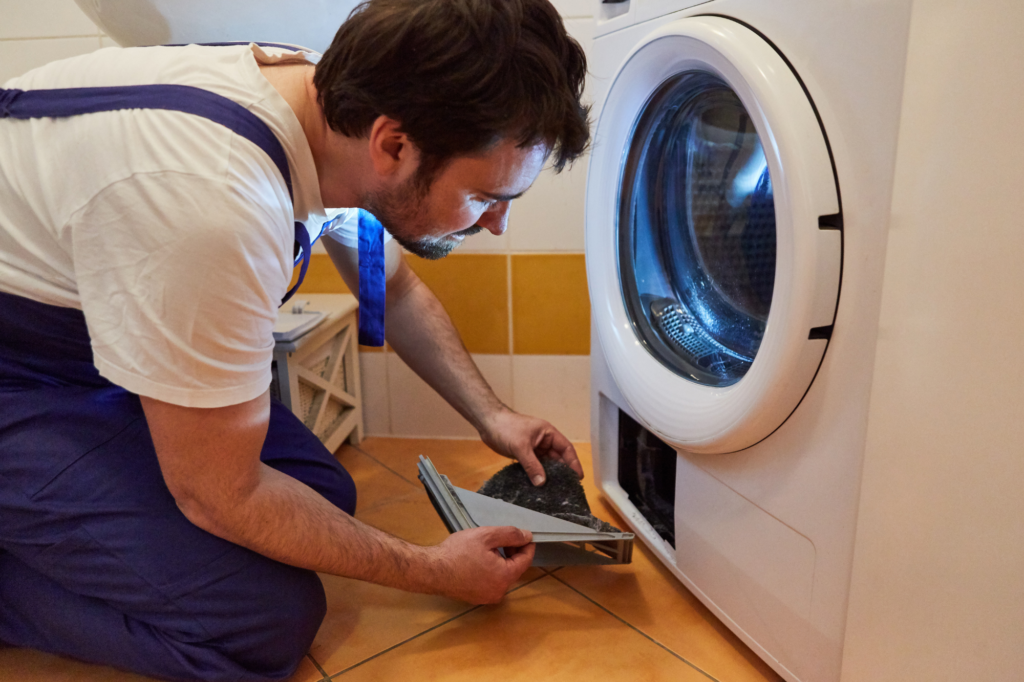
Basic maintenance tasks like cleaning lint filters or wiping the exterior can be done safely at home. However, technical repairs involving heating elements, wiring, or internal components should not be attempted without proper knowledge. DIY repairs can lead to further damage or safety risks such as electric shock or overheating. It is always safer and more effective to hire a qualified technician for complex issues. - How often should I service my dryer?
It is generally recommended to service your Brant dryer at least once a year to ensure smooth and efficient operation. Regular servicing helps remove lint buildup, inspect internal components, and maintain proper airflow and heating performance. For households with heavy laundry usage, more frequent maintenance may be necessary. Routine servicing also helps prevent unexpected breakdowns and extends the appliance’s lifespan. - Do repair services provide warranty?
Yes, most professional Brant dryer repair services offer a warranty on both parts and labor. This ensures that any replaced components or repair work is covered for a specific period, giving customers peace of mind. A warranty also reflects the quality and reliability of the service provided. Always confirm warranty terms before booking a repair to ensure long-term protection and support.
Trusted Brant Dryer Repair Service in Green Community
Brant cloth dryers are reliable appliances, but they can develop issues over time due to regular usage and mechanical wear. In Green Community, timely repair and maintenance are essential to ensure safe, efficient, and long-lasting performance.
Professional Brant cloth dryer Repair Green Community services help restore functionality, improve energy efficiency, and prevent costly breakdowns. By addressing problems early, homeowners can enjoy smooth laundry routines, reduced electricity costs, and extended appliance life.
Investing in expert repair is always better than waiting for a complete failure.