
In modern households across Al Aweer, convenience and efficiency are essential. Among the many appliances that simplify daily life, the cloth dryer stands out as a crucial time-saving device—especially in busy homes where laundry needs to be handled quickly and efficiently. A high-quality dryer like a Brant cloth dryer is designed to deliver consistent drying performance, but like all appliances, it is not immune to wear and tear.
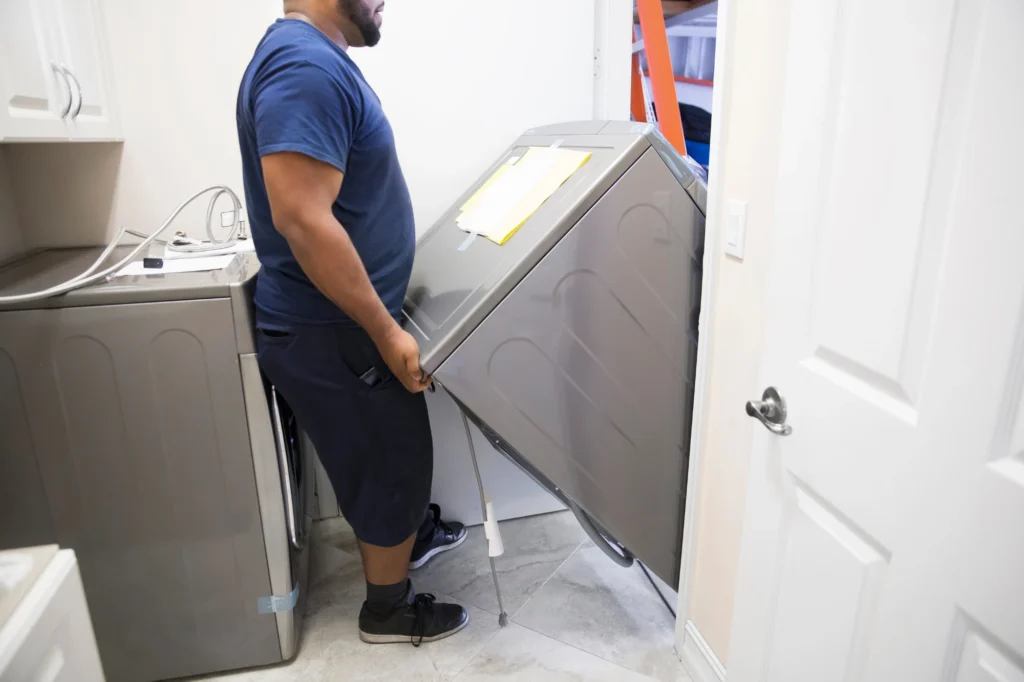
When your dryer suddenly stops working, overheats, or fails to dry clothes properly, it can disrupt your entire routine. This is where Brant Cloth Dryer Repair Al Aweer services become essential. Professional repair services ensure that your dryer is restored quickly, safely, and efficiently—saving you both time and money.
Why Brant Cloth Dryer Repair in Al Aweer Is Important
A malfunctioning dryer is more than just an inconvenience—it can lead to serious problems if ignored. Many homeowners delay repairs, assuming minor issues will resolve themselves. Unfortunately, this often leads to bigger and more costly problems.
Key Reasons to Prioritize Timely Repairs
1. Safety Concerns
Dryers operate using heat and electricity. Faulty wiring, overheating, or clogged vents can create fire hazards. Prompt repair ensures your home remains safe.
2. Energy Efficiency
A damaged dryer consumes more electricity. Components like heating elements or sensors may work inefficiently, increasing utility bills.
3. Time-Saving Convenience
A non-functional dryer disrupts your daily schedule, especially in large households where laundry is frequent.
4. Appliance Longevity
Regular maintenance and timely repairs extend the lifespan of your Brant dryer, preventing premature replacement.
Common Pain Points in Brant Cloth Dryers
Understanding common issues in Brant cloth dryers helps homeowners in Al Aweer identify faults early and take timely action before they escalate into costly repairs. Dryers are complex appliances that rely on electrical components, heating systems, and proper airflow to function efficiently. When any of these elements fail, performance drops significantly. Recognizing the symptoms, causes, and solutions of common problems ensures your dryer remains safe, efficient, and long-lasting.
1. Dryer Not Heating
One of the most frequent issues users face is a dryer that runs but does not produce heat. This problem is easy to notice because clothes remain damp even after completing a full drying cycle.
Symptoms:
Clothes stay wet or slightly damp after drying, and there is no noticeable heat inside the drum.
Causes:
This issue is often caused by a faulty heating element, a blown thermal fuse, or a malfunctioning thermostat. In some cases, electrical supply problems or wiring faults may also prevent the dryer from generating heat.
Impact:
Without heat, the dryer cannot perform its primary function. This forces users to rely on air drying, which is inconvenient and time-consuming, especially in humid conditions.
Solution:
Professional technicians inspect all heating components, test the thermal fuse, and check electrical connections. Faulty parts are replaced with genuine components, restoring proper heating and drying efficiency.
2. Dryer Not Turning On
A dryer that refuses to start can completely disrupt your laundry routine and often indicates an electrical or mechanical fault.
Symptoms:
No lights, sounds, or response when pressing the start button.
Causes:
Common causes include power supply issues, a faulty door switch, a broken start switch, or control board failure. Sometimes, a loose connection or blown fuse may also be responsible.
Impact:
This issue results in a complete halt of laundry activities, causing inconvenience, especially in households with frequent washing needs.
Solution:
Experts diagnose the electrical system, inspect wiring, and test internal components. Depending on the issue, they repair connections or replace defective parts to restore functionality.
3. Excessive Noise or Vibrations
Dryers are designed to operate smoothly, so unusual noises or vibrations are a clear indication that something is wrong internally.
Symptoms:
Loud banging, squeaking, grinding noises, or excessive shaking during operation.
Causes:
These problems are often due to worn drum rollers, loose internal components, or damaged motor bearings. Over time, normal wear and tear can cause these parts to degrade.
Impact:
Ignoring these noises can lead to more severe internal damage, including motor failure or drum misalignment, resulting in expensive repairs.
Solution:
Technicians perform a detailed inspection, tighten loose parts, lubricate moving components, and replace worn-out elements. This ensures smooth and quiet operation.
4. Dryer Overheating
Overheating is a serious issue that can damage the appliance and pose safety risks if not addressed promptly.
Symptoms:
Clothes feel excessively hot after drying, a burning smell may be present, or the dryer shuts off mid-cycle.
Causes:
Blocked vents, lint buildup, and faulty thermostats are the most common causes. Restricted airflow prevents heat from escaping, causing internal temperatures to rise.
Impact:
Overheating can damage clothes, reduce appliance lifespan, and increase the risk of fire hazards.
Solution:
Professional cleaning of vents and lint filters is essential. Technicians also test and replace faulty thermostats or sensors to ensure proper temperature regulation.
5. Dryer Not Spinning
If the drum is not rotating, the dryer cannot evenly dry clothes, making this a critical issue.
Symptoms:
The drum remains stationary while the dryer is running, and clothes stay in one position.
Causes:
This problem is usually caused by a broken drive belt, a faulty motor, or a worn idler pulley. These components are responsible for drum movement.
Impact:
Without proper rotation, clothes will not dry evenly, leading to inefficient operation and longer drying times.
Solution:
Technicians replace broken belts, repair motor issues, and ensure all moving parts function correctly. This restores proper drum rotation and drying performance.
6. Clothes Taking Too Long to Dry
When drying cycles become longer than usual, it indicates reduced efficiency and potential internal issues.
Symptoms:
Clothes remain damp after one cycle, requiring multiple cycles to dry completely.
Causes:
Clogged lint filters, blocked exhaust vents, or a weak heating element can reduce drying efficiency. Poor airflow is often the main contributor.
Impact:
This leads to increased electricity consumption, higher utility bills, and wasted time.
Solution:
Cleaning the lint filter and exhaust system improves airflow. Technicians may also replace heating elements or repair airflow-related components to restore efficiency.
7. Burning Smell from Dryer
A burning smell is a serious warning sign that should never be ignored.
Symptoms:
A strong burning odor during operation, and in extreme cases, visible smoke.
Causes:
Lint accumulation inside the dryer, electrical faults, or overheating components are common causes. Lint is highly flammable and can ignite if exposed to excessive heat.
Impact:
This issue poses a significant safety risk, including the possibility of fire and damage to the appliance.
Solution:
Immediate professional inspection is necessary. Technicians thoroughly clean internal components, fix electrical issues, and ensure safe operation.
Cost of Brant Cloth Dryer Repair in Al Aweer
Repair costs depend on the issue:
- Minor repairs: Affordable and quick
- Component replacement: Moderate cost
- Major repairs: Higher cost but still cheaper than replacement
Timely repairs help avoid expensive breakdowns.
Brant Dryer Error Codes Explained
Modern Brant dryers are equipped with advanced diagnostic systems designed to detect internal faults and display error codes. These codes act as early warning signals, helping homeowners identify and address issues before they escalate into serious problems. Understanding these error codes not only saves time but also prevents costly repairs and ensures the safety and efficiency of your appliance.
For residents in Al Aweer, recognizing these error codes can make a significant difference in maintaining dryer performance. Instead of guessing what went wrong, users can rely on these built-in indicators to take prompt action and seek professional repair when necessary.
Why Error Codes Are Important
Error codes are an essential feature of modern dryers. They simplify troubleshooting by pinpointing the exact problem area, whether it’s related to heating, airflow, sensors, or electrical components.
Ignoring these codes can lead to several issues:
- Safety hazards: Problems like overheating or electrical faults can increase the risk of fire.
- Reduced efficiency: A faulty dryer consumes more energy and takes longer to dry clothes.
- Component damage: Small issues can escalate and damage other internal parts.
- Unexpected breakdowns: Delaying repairs may result in complete appliance failure.
By understanding and responding to error codes promptly, homeowners can ensure their dryer continues to operate safely and efficiently.
E1 – Temperature Sensor Error
The E1 error code indicates a problem with the dryer’s temperature sensor. This sensor plays a critical role in monitoring internal heat levels and ensuring the appliance operates within safe limits.
What It Means
When the E1 code appears, it means the dryer is receiving incorrect temperature readings. This could result in the appliance overheating or not producing enough heat.
Common Causes
- Faulty or worn-out temperature sensor
- Loose or damaged wiring connections
- Sensor calibration issues
- Electrical fluctuations affecting readings
Symptoms
- Inconsistent drying results
- Clothes coming out too hot or still damp
- Dryer shutting off unexpectedly
- Error code displayed during operation
Impact
A malfunctioning temperature sensor can disrupt the drying process and damage clothes. Overheating may also pose safety risks and affect other internal components.
Fix
Professional technicians test the sensor using diagnostic tools and either recalibrate or replace it. Proper repair restores accurate temperature control and ensures consistent drying performance.
E2 – Heating Issue
The E2 error code signals a problem with the dryer’s heating system, which is essential for effective drying.
What It Means
This code indicates that the heating element is not functioning properly or the dryer is unable to generate sufficient heat.
Common Causes
- Burnt or damaged heating element
- Faulty thermostat
- Electrical supply issues
- Blown thermal fuse
Symptoms
- Dryer runs but does not produce heat
- Clothes remain damp after a cycle
- Extended drying times
- Error code appearing repeatedly
Impact
Without proper heating, the dryer becomes inefficient and unable to perform its primary function. This leads to wasted time, increased energy usage, and inconvenience.
Fix
Technicians inspect the heating element, test electrical connections, and replace defective components. Restoring the heating system ensures optimal drying efficiency and performance.
E3 – Airflow Problem
The E3 error code highlights issues related to airflow within the dryer, which is crucial for proper heat circulation and moisture removal.
What It Means
This code appears when airflow is restricted, preventing the dryer from operating efficiently.
Common Causes
- Clogged lint filter
- Blocked or dirty exhaust vents
- Accumulated lint inside the dryer
- Improper ventilation setup
Symptoms
- Clothes taking longer to dry
- Dryer overheating
- Hot and humid air inside the drum
- Error code displayed during operation
Impact
Poor airflow reduces drying efficiency and increases energy consumption. It can also cause overheating, which may damage internal components and pose fire risks.
Fix
Cleaning the lint filter and exhaust vents usually resolves minor airflow issues. However, professional cleaning is recommended to remove deep lint buildup and ensure proper ventilation.
E4 – Motor Error
The E4 error code indicates a malfunction in the dryer’s motor, which is responsible for rotating the drum.
What It Means
This error suggests that the motor is not functioning correctly or is unable to maintain proper operation.
Common Causes
- Worn-out motor components
- Overheating due to heavy usage
- Electrical faults
- Jammed drum or mechanical obstruction
Symptoms
- Drum not spinning
- Unusual noises during operation
- Dryer stopping mid-cycle
- Reduced performance
Impact
A faulty motor prevents the drum from rotating, leading to uneven drying or complete failure of the appliance. Continued use may cause further damage to internal parts.
Fix
Technicians inspect the motor, remove obstructions, and repair or replace damaged components. Professional servicing ensures smooth operation and prevents recurring issues.
E5 – Control Board Failure
The E5 error code points to a problem with the control board, also known as the PCB (Printed Circuit Board), which acts as the brain of the dryer.
What It Means
This code indicates that the control board is malfunctioning and unable to manage the dryer’s operations effectively.
Common Causes
- Electrical surges or voltage fluctuations
- Moisture damage
- Worn-out electronic components
- Internal circuit failure
Symptoms
- Unresponsive buttons
- Display not working properly
- Dryer not starting or stopping unexpectedly
- Multiple error codes appearing
Impact
A faulty control board can disrupt all functions of the dryer, making it partially or completely unusable. Ignoring this issue may lead to permanent damage.
Fix
Professional technicians diagnose the control board using specialized equipment. Depending on the severity, they repair minor faults or replace the board entirely with a genuine part.
When to Call a Professional
While understanding error codes is helpful, most issues require professional expertise to resolve safely. You should contact a technician if:
- Error codes persist after basic troubleshooting
- The dryer shows multiple error codes
- There are signs of overheating or burning smell
- The appliance stops working completely
Certified technicians have the tools and experience to diagnose problems accurately and perform repairs safely.
Benefits of Regular Dryer Maintenance
- Improved energy efficiency
- Reduced repair frequency
- Enhanced safety
- Longer appliance lifespan
- Better drying performance
DIY vs Professional Repair – What’s Better?
DIY Repairs
- Suitable for basic cleaning
- Risky for technical issues
Professional Repair
- Safe and reliable
- Long-lasting results
- Warranty protection
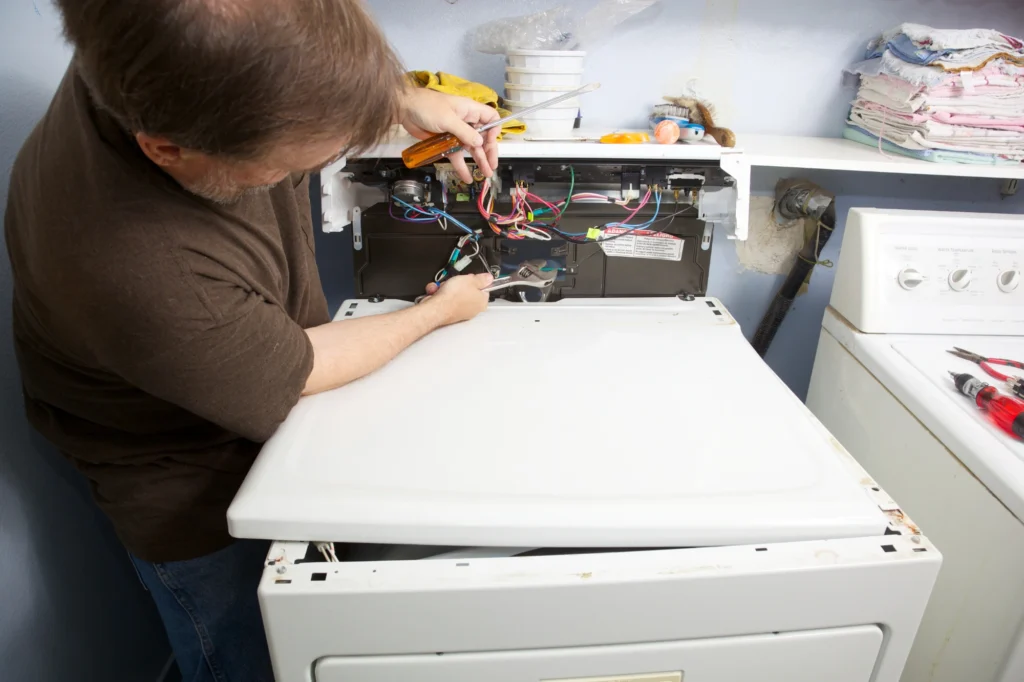
Conclusion: Always choose professionals for technical repairs.
Frequently Asked Questions (FAQs)
1. How long does dryer repair take?
Most standard dryer repairs can be completed within 1–2 hours, especially for minor issues like clogged vents or faulty thermostats. However, more complex problems such as motor failure or control board replacement may take several hours. In some cases, repairs may extend to a day if spare parts need to be sourced. Professional technicians aim to diagnose and fix issues as quickly as possible to minimize disruption. Timely service ensures your appliance is back to normal without unnecessary delays.
2. Can I use my dryer if it’s faulty?
No, using a faulty dryer is not recommended as it can pose serious safety risks. Issues like overheating, electrical faults, or lint buildup can lead to fire hazards or damage other components. Continued use may worsen the problem and result in more expensive repairs. It can also affect the quality of drying, leaving clothes damp or damaged. It’s always safer to stop using the appliance and call a professional technician.
3. How often should I service my dryer?
It is recommended to service your dryer at least once a year to keep it running efficiently. Regular maintenance helps identify minor issues before they turn into major problems. For households with heavy usage, more frequent servicing may be necessary. Routine inspections also improve energy efficiency and drying performance. Professional servicing ensures all components are clean, safe, and functioning properly.
4. Are spare parts available?
Yes, professional repair services typically use genuine and manufacturer-approved spare parts. These parts are designed to match your dryer’s specifications, ensuring optimal performance and durability. Using original components also helps maintain the appliance’s warranty and reduces the risk of future breakdowns. Technicians usually carry common spare parts for quick replacements. This ensures faster repair and long-lasting results.
5. What causes overheating?
Dryer overheating is commonly caused by blocked vents, clogged lint filters, or restricted airflow. Faulty thermostats or temperature sensors can also lead to excessive heat buildup. Overloading the dryer or running it continuously without breaks may worsen the issue. Overheating can damage internal components and pose fire risks if ignored. Regular cleaning and professional maintenance help prevent this problem and ensure safe operation.
Call to Action
Don’t let a faulty dryer disrupt your daily routine. Whether your appliance isn’t heating, making noise, or showing error codes, expert Brant Cloth Dryer Repair Al Aweer services are here to help.
With skilled technicians, advanced diagnostic tools, and genuine spare parts, you can restore your dryer’s performance quickly and safely. Avoid costly replacements and ensure your home stays safe and efficient.
Book your professional dryer repair service today and enjoy hassle-free laundry every day!