
In today’s fast-paced lifestyle, a cloth dryer has become an essential home appliance, especially in urban areas like International City. Whether you live in an apartment or manage a busy household, a dryer saves time, effort, and ensures your clothes are ready to wear regardless of weather conditions. However, like any appliance, Brant cloth dryers can develop issues over time, leading to inconvenience and disruption in daily routines.
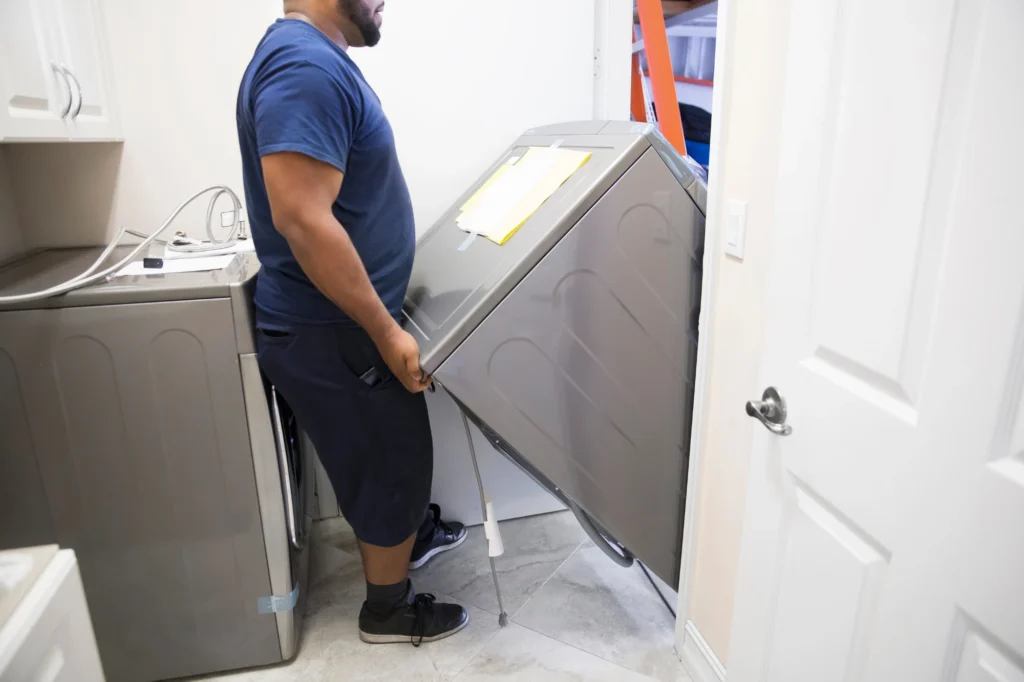
Importance of Professional Dryer Repair Services
When your dryer stops working properly, it’s tempting to try a DIY fix. While minor issues like cleaning lint filters can be handled at home, most dryer problems require expert attention.
Why Choose Professional Repair?
- Accurate diagnosis of the problem
- Safe handling of electrical components
- Use of genuine spare parts
- Long-term solutions instead of temporary fixes
- Prevention of further damage
Professional repair services in International City ensure your Brant dryer is restored to optimal performance quickly and efficiently.
Common Brant Cloth Dryer Pain Points
Brant cloth dryers are designed to make laundry quick and convenient, especially in busy residential areas like International City. However, frequent usage, lack of maintenance, and electrical issues can lead to a variety of problems. These pain points not only disrupt your daily routine but can also increase energy costs and shorten the lifespan of your appliance. Understanding these issues in detail helps you identify early warning signs and take timely action.
1. Dryer Not Heating Properly
Causes:
- Faulty heating element
- Blown thermal fuse
- Defective thermostat
Impact:
One of the most common and frustrating issues is when the dryer runs but fails to produce heat. This results in damp clothes even after a full cycle, forcing you to run multiple cycles and waste electricity. It also puts additional strain on the machine, leading to faster wear and tear. If not addressed promptly, the problem can escalate into a complete heating system failure.
2. Dryer Not Turning On
Causes:
- Power supply problems
- Faulty door switch
- Damaged control board
Impact:
A dryer that refuses to start can completely halt your laundry routine. This issue may stem from simple power issues or more complex internal faults. In many cases, users are unable to identify the exact cause, leading to frustration and delays. Immediate professional attention is required to restore functionality and prevent further electrical damage.
3. Clothes Taking Too Long to Dry
Causes:
- Blocked air vents
- Dirty lint filter
- Weak heating system
Impact:
When your dryer takes longer than usual to dry clothes, it not only wastes time but also increases electricity bills. This inefficiency can be caused by restricted airflow or reduced heating performance. Over time, prolonged drying cycles can damage fabrics and reduce the overall efficiency of the appliance. Addressing this issue early helps maintain performance and save energy.
4. Excessive Noise During Operation
Causes:
- Worn drum bearings
- Loose components
- Faulty motor or belt
Impact:
Unusual noises such as grinding, squeaking, or banging are clear indicators of mechanical issues. These sounds can be annoying and disruptive, especially in smaller living spaces. More importantly, they signal internal damage that can worsen over time. Ignoring these noises may lead to complete mechanical failure and expensive repairs.
5. Dryer Overheating
Causes:
- Clogged lint filter
- Blocked ventilation system
- Malfunctioning thermostat
Impact:
Overheating is one of the most dangerous dryer problems. It can damage your clothes, reduce appliance efficiency, and pose a serious fire hazard. When airflow is restricted, heat builds up inside the dryer, affecting internal components. Immediate action is necessary to ensure safety and prevent long-term damage.
6. Drum Not Spinning
Causes:
- Broken drive belt
- Motor failure
- Worn rollers
Impact:
If the drum stops spinning, the dryer cannot function properly. Clothes remain wet and unevenly dried, making the appliance practically useless. This issue often requires replacement of internal components, which can be complex. Prompt repair ensures the dryer returns to normal operation without further complications.
7. Burning Smell from Dryer
Causes:
- Lint buildup inside the machine
- Electrical wiring issues
- Overheating components
Impact:
A burning smell is a serious warning sign that should never be ignored. It indicates potential fire hazards and internal damage. Continued use of the dryer in this condition can lead to dangerous situations. Turning off the appliance and seeking professional repair immediately is the safest course of action.
8. Clothes Coming Out Wrinkled or Damaged
Causes:
- Incorrect temperature settings
- Overloading the dryer
- Faulty moisture sensors
Impact:
Damaged or wrinkled clothes reduce the effectiveness of your dryer and increase the need for ironing or replacement. This problem often arises from improper settings or sensor malfunctions. Over time, it can lead to higher clothing expenses and dissatisfaction with appliance performance.
9. Dryer Shutting Off Mid-Cycle
Causes:
- Overheating protection system
- Faulty thermostat
- Electrical issues
Impact:
When a dryer shuts off before completing a cycle, it disrupts the entire laundry process. This issue is often linked to overheating or electrical faults. It not only wastes time but also indicates underlying problems that may worsen if ignored. Consistent interruptions can lead to complete system failure.
10. Lint Build-Up Issues
Causes:
- Infrequent cleaning
- Poor ventilation design
- Blocked exhaust system
Impact:
Lint buildup is a common yet often overlooked problem. It restricts airflow, reduces drying efficiency, and increases the risk of overheating. Over time, accumulated lint can become a fire hazard. Regular cleaning and maintenance are essential to prevent this issue and ensure safe operation.
11. Unpleasant Odors from Dryer
Causes:
- Mold or mildew buildup
- Damp lint accumulation
- Poor ventilation
Impact:
Bad odors from the dryer can transfer to clothes, making them smell unpleasant even after drying. This issue is usually caused by moisture retention and lack of proper cleaning. It indicates hygiene problems that need immediate attention. Regular maintenance can help eliminate odors and maintain freshness.
12. High Electricity Consumption
Causes:
- Inefficient components
- Prolonged drying cycles
- Poor maintenance
Impact:
A sudden increase in electricity bills can often be traced back to dryer inefficiency. When the appliance works harder due to underlying issues, it consumes more energy. This not only increases operational costs but also reduces the lifespan of the dryer. Addressing efficiency problems early helps save money in the long run.
Benefits of Timely Dryer Repair
Ignoring small problems can lead to major breakdowns. Timely repair offers several advantages:
- Extends appliance lifespan
- Improves energy efficiency
- Reduces electricity bills
- Ensures safety
- Maintains drying performance
Why Choose Brant Cloth Dryer Repair in International City?
Residents of International City benefit from specialized repair services tailored to their needs.
Key Advantages:
- Quick response time
- Experienced technicians
- Affordable pricing
- Availability of genuine parts
- On-site repair services
Professional technicians understand the unique requirements of Brant dryers and provide reliable solutions.
Brant Cloth Dryer Error Codes
Modern Brant cloth dryers are equipped with intelligent diagnostic systems that display error codes whenever something goes wrong. These error codes act as warning signals, helping users and technicians quickly identify the root cause of a problem. Understanding these codes can save time, reduce repair costs, and prevent further damage to your appliance. Below is a detailed guide to the most common Brant cloth dryer error codes, their causes, and solutions.
1. E1 – Temperature Sensor Error
Meaning:
This error indicates a malfunction in the temperature sensor, which is responsible for regulating heat levels inside the dryer.
Causes:
- Faulty or damaged temperature sensor
- Loose or broken wiring
- Control board issues
Solution:
Inspect the sensor and its connections. If the wiring is intact but the issue persists, the sensor may need replacement. Professional assistance ensures proper calibration and safe operation.
2. E2 – Heating Element Failure
Meaning:
The heating element is not functioning correctly, resulting in little or no heat generation.
Causes:
- Burnt-out heating element
- Power supply issues
- Faulty thermostat
Solution:
Check the heating element for continuity. If damaged, it must be replaced. Ignoring this error can lead to inefficient drying and higher energy consumption.
3. E3 – Airflow Blockage
Meaning:
Restricted airflow is preventing proper drying performance.
Causes:
- Clogged lint filter
- Blocked exhaust vent
- Accumulated debris
Solution:
Clean the lint filter and check the ventilation system. Regular maintenance can prevent this issue and improve dryer efficiency.
4. E4 – Door Lock Error
Meaning:
The dryer door is not securely closed or the locking mechanism is faulty.
Causes:
- Misaligned door
- Broken door latch
- Sensor malfunction
Solution:
Ensure the door is properly closed. If the problem continues, the latch or sensor may need replacement.
5. E5 – Motor Malfunction
Meaning:
The dryer motor is not operating as expected.
Causes:
- Motor failure
- Overheating
- Electrical faults
Solution:
This issue requires professional diagnosis. The motor may need repair or replacement depending on the severity.
6. E6 – Control Board Error
Meaning:
There is a communication failure within the dryer’s control system.
Causes:
- Software glitch
- Faulty control board
- Power surge damage
Solution:
Try resetting the dryer by unplugging it for a few minutes. If the error persists, the control board may need replacement.
7. E7 – Overheating Warning
Meaning:
The dryer temperature has exceeded safe operating limits.
Causes:
- Blocked airflow
- Faulty thermostat
- Continuous operation
Solution:
Turn off the dryer and allow it to cool down. Clean vents and filters to restore airflow. Persistent issues require thermostat inspection.
8. E8 – Moisture Sensor Error
Meaning:
The moisture sensor is not detecting the dryness level of clothes accurately.
Causes:
- Dirty sensor
- Sensor malfunction
- Wiring issues
Solution:
Clean the sensor with a soft cloth. If the issue continues, sensor replacement may be necessary.
9. E9 – Power Supply Issue
Meaning:
The dryer is not receiving proper voltage.
Causes:
- Voltage fluctuations
- Faulty power outlet
- Damaged power cord
Solution:
Check the power source and use a voltage stabilizer if needed. Consistent power supply is essential for safe operation.
10. E10 – Drum Rotation Error
Meaning:
The dryer drum is not spinning correctly.
Causes:
- Broken drive belt
- Motor issues
- Worn rollers
Solution:
Inspect the belt and rollers. Professional repair is recommended to replace damaged components.
11. E11 – Thermostat Failure
Meaning:
The thermostat is not regulating temperature properly.
Causes:
- Defective thermostat
- Electrical faults
- Sensor issues
Solution:
Replace the thermostat to restore proper temperature control and prevent overheating.
12. E12 – Ventilation Error
Meaning:
Poor ventilation is affecting dryer performance.
Causes:
- Blocked vents
- Improper installation
- Dust accumulation
Solution:
Clean and inspect the ventilation system. Proper airflow is essential for efficient drying and safety.
13. E13 – Dryer Overload Error
Meaning:
The dryer is overloaded with clothes.
Causes:
- Excessive load
- Uneven distribution
Solution:
Reduce the load size and ensure clothes are evenly distributed. Overloading can damage internal components over time.
14. E14 – Electrical Circuit Error
Meaning:
There is a fault in the internal electrical circuit.
Causes:
- Wiring damage
- Short circuit
- Power surge
Solution:
This issue requires immediate professional attention to avoid safety risks.
15. E15 – System Memory Error
Meaning:
Internal memory or software malfunction in the dryer.
Causes:
- Software corruption
- Power interruption
- Control board failure
Solution:
Reset the dryer. If the error remains, the control board may need repair or replacement.
DIY vs Professional Repair
DIY Repair:
- Suitable for basic cleaning
- Risk of incorrect diagnosis
- Limited tools and expertise
Professional Repair:
- Accurate troubleshooting
- Safe and reliable
- Long-lasting solutions
For complex issues, always choose professional repair services.
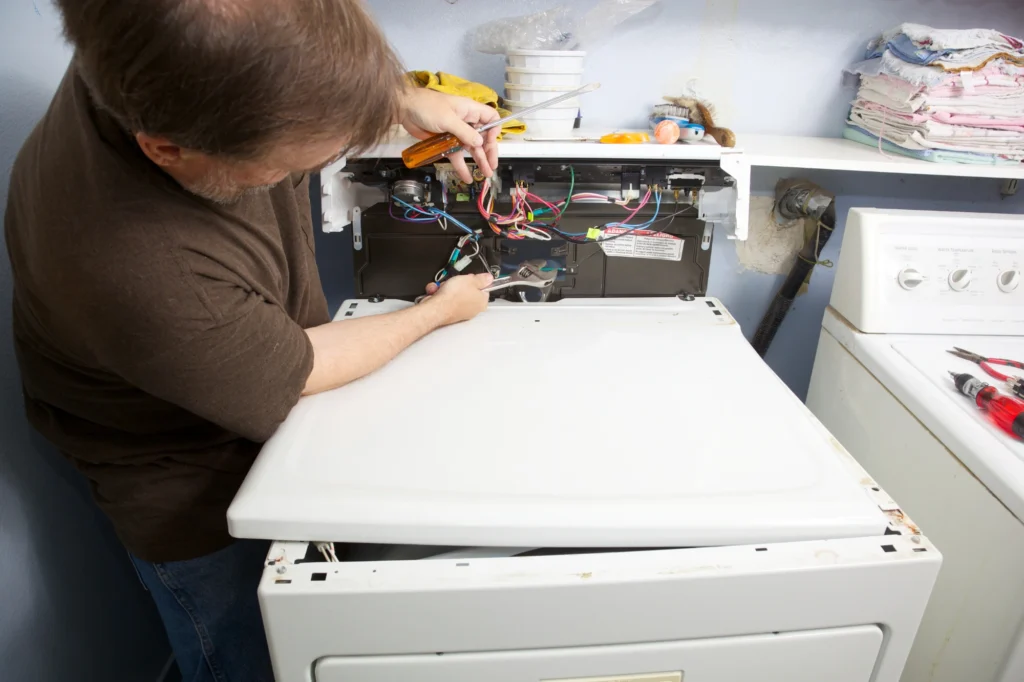
Frequently Asked Questions (FAQs)
1. How long does dryer repair take?
Most dryer repairs are typically completed within 1–3 hours, depending on the complexity of the issue. Minor problems like clogged vents or faulty thermostats can be fixed quickly, while major repairs may take longer. The availability of spare parts also plays a key role in repair time. Professional technicians aim to complete the job efficiently without compromising quality.
2. Is it safe to use a faulty dryer?
No, using a faulty dryer is not safe and should be avoided. It can lead to serious electrical hazards, overheating, or even fire risks. A malfunctioning dryer may also damage your clothes and increase energy consumption. Continuing to use it can worsen the problem and lead to costly repairs. It’s best to stop using the appliance and call a professional immediately.
3. Can I repair my dryer myself?
Basic maintenance tasks like cleaning the lint filter or checking the power supply can be done at home. However, technical repairs involving electrical components or internal parts require professional expertise. Attempting DIY repairs without proper knowledge can be dangerous and may void warranties. It can also cause further damage to the appliance. For safety and reliability, always consult a qualified technician.
4. Do repair services provide warranty?
Yes, most professional dryer repair services offer a warranty on both parts and labor. This ensures peace of mind and guarantees the quality of the repair work. Warranty periods may vary depending on the service provider and the type of repair performed. It also protects you from additional costs if the same issue occurs again. Always confirm warranty details before hiring a service.
5. How often should I service my dryer?
It is recommended to service your dryer at least once a year to maintain optimal performance. Regular servicing helps identify potential issues before they become major problems. It also improves energy efficiency and extends the lifespan of the appliance. If you use your dryer frequently, more frequent maintenance may be required. Routine care ensures safe and smooth operation year-round.
Get Fast & Reliable Brant Cloth Dryer Repair in International City Today!
Don’t let a faulty dryer disrupt your daily routine. Our expert technicians are ready to provide quick, affordable, and professional repair services right at your doorstep. Book your Brant cloth dryer repair International City now and enjoy hassle-free laundry with guaranteed results!
Brant cloth dryers are reliable appliances, but regular use and lack of maintenance can lead to various issues. From heating problems and strange noises to error codes and airflow blockages, understanding these challenges helps in early detection and timely repair.
Choosing professional Brant cloth dryer repair International City services ensures your appliance is handled with expertise and care. With proper maintenance and prompt repairs, you can extend the life of your dryer, improve efficiency, and maintain convenience in your daily routine.
Invest in regular servicing, stay alert to warning signs, and rely on expert technicians to keep your dryer running smoothly for years to come.