
Cloth dryers have become an essential home appliance in modern households, especially in areas where fast and efficient laundry drying is required throughout the year. Among various appliance brands, Brant cloth dryers are known for their reliability, strong drying performance, and energy-efficient operation. However, like all electrical appliances, they are not immune to faults and technical issues.
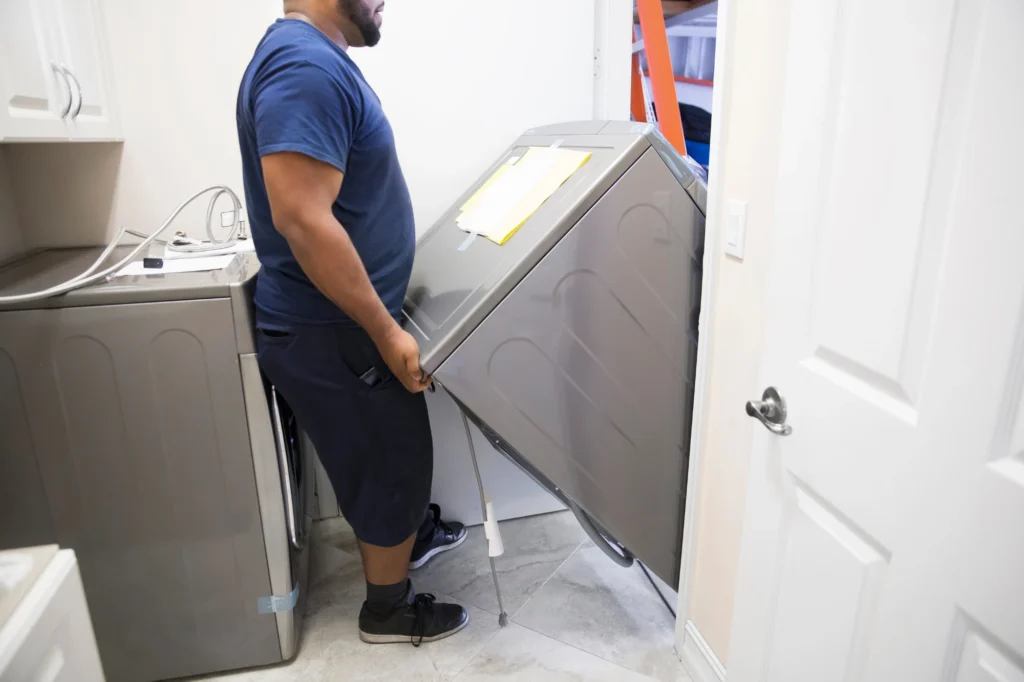
If your appliance is malfunctioning, professional Brant cloth dryer Repair Nad Al Sheba services are the best solution. Timely repair ensures efficient drying, prevents energy waste, and extends the lifespan of your dryer.
Importance of Cloth Dryers in Modern Homes
Cloth dryers offer several benefits:
- Fast drying during all seasons
- Time-saving convenience
- Reduced manual labor
- Hygienic drying process
- Suitable for apartments and urban living
Despite these advantages, dryers require proper maintenance and occasional repair to function efficiently.
Common Pain Points in Brant Cloth Dryers
Brant cloth dryers are widely used in modern homes because they provide fast, convenient, and efficient drying solutions. However, like any electrical appliance, they can develop technical faults over time due to continuous usage, lack of maintenance, power fluctuations, and natural wear and tear of internal components.
1. Dryer Not Heating Properly
One of the most common complaints among users is that the dryer runs but does not produce enough heat or fails to dry clothes properly.
Causes:
- Faulty heating element
- Thermal fuse failure
- Temperature sensor malfunction
- Electrical supply issues
- Blocked airflow inside the system
Explanation:
The heating system is responsible for producing warm air required to dry clothes. If the heating element becomes damaged or the thermal fuse blows, the dryer cannot generate sufficient heat. Similarly, a faulty sensor may send incorrect temperature readings, causing the system to shut off heating prematurely.
Poor airflow can also reduce heating efficiency, making drying cycles longer and less effective.
Solution:
Technicians inspect heating coils, test thermal fuses, and check temperature sensors. Damaged components are replaced, and airflow systems are cleaned to restore proper heat circulation. Electrical connections are also tested to ensure stable performance.
2. Dryer Not Spinning
A dryer that does not spin is a serious issue because it prevents proper drying of clothes.
Causes:
- Broken drive belt
- Motor failure
- Worn-out drum rollers
- Jammed drum mechanism
Explanation:
The drum rotation is essential for even drying. The drive belt connects the motor to the drum. If the belt breaks or slips, the drum will stop spinning. Motor issues or worn rollers can also prevent smooth rotation.
Solution:
Technicians open the dryer unit, inspect the belt, and replace it if broken. Drum rollers are checked for wear and replaced if necessary. Motor testing is also performed to ensure proper functioning. Once repaired, the drum rotates smoothly again.
3. Dryer Takes Too Long to Dry Clothes
Another frequent issue is extended drying time, which increases electricity consumption and reduces appliance efficiency.
Causes:
- Blocked lint filter
- Poor ventilation or airflow restriction
- Weak heating element
- Overloaded drum
Explanation:
Lint filters trap dust and fibers during drying. When these filters become clogged, airflow is restricted, reducing drying efficiency. A weak heating element also produces insufficient heat, while overloaded drums prevent proper air circulation.
Solution:
Technicians clean lint filters, inspect ventilation ducts, and ensure proper airflow. Heating elements are tested and replaced if needed. Users are also advised to avoid overloading the dryer for better performance.
4. Dryer Making Noise
Unusual noises such as squeaking, rattling, or banging indicate internal mechanical problems.
Causes:
- Worn-out drum rollers
- Loose internal screws or panels
- Faulty motor bearings
- Foreign objects inside drum
Explanation:
Dryers contain moving parts that can wear out over time. Drum rollers support smooth rotation, and if they become worn, they produce noise. Loose components or damaged motor bearings can also create loud operational sounds.
Solution:
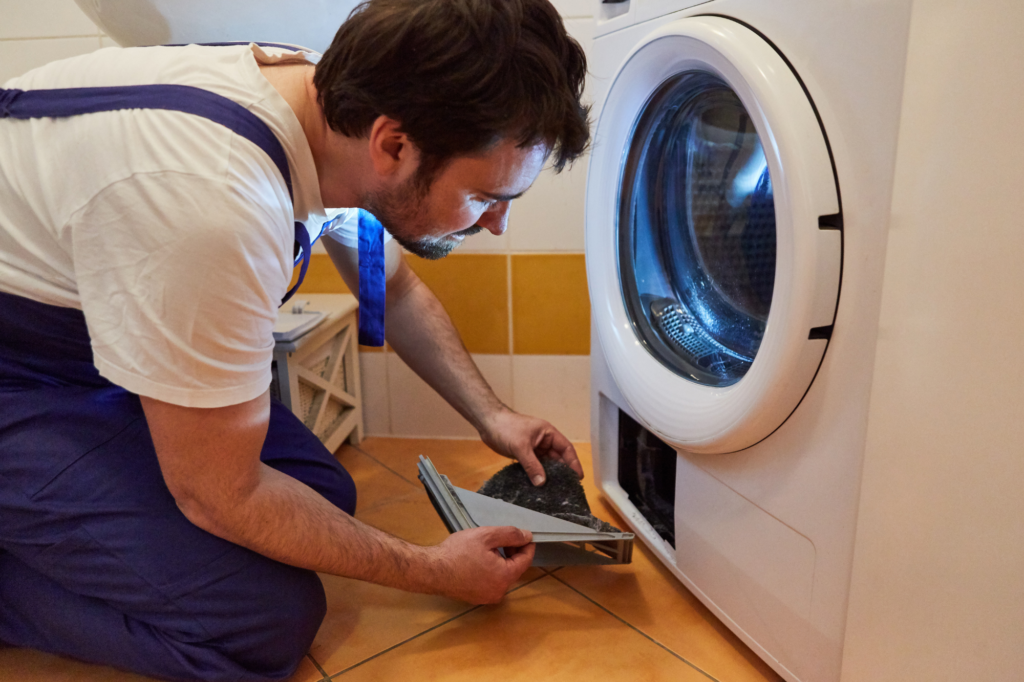
Technicians inspect internal parts, tighten loose screws, and replace worn rollers or bearings. The drum is checked for foreign objects that may cause noise during rotation.
5. Dryer Not Turning On
A completely non-functional dryer is one of the most frustrating problems for users.
Causes:
- Electrical power supply failure
- Faulty power switch
- Damaged control board
- Blown fuse or wiring issue
Explanation:
If the dryer does not receive proper electrical supply, it will not start. Internal components such as switches or control boards may also fail due to power surges or aging.
Solution:
Technicians first check external power sources and wiring. Then they inspect internal fuses, switches, and control boards. Faulty components are replaced to restore full functionality.
How Brant Cloth Dryers Work
A cloth dryer works through:
- Heating element generating hot air
- Motor rotating drum
- Air circulation system removing moisture
- Vent or condenser system releasing moisture
Any failure in these components leads to malfunction.
Preventive Maintenance Tips
- Clean lint filter after every use
- Avoid overloading dryer
- Ensure proper ventilation
- Check power supply regularly
- Schedule periodic servicing
Signs You Need Immediate Repair
- Clothes remain wet
- Burning smell
- Loud noises
- Dryer not starting
- Overheating issues
Residential vs Commercial Dryer Repairs
Residential Units
- Simple systems
- Faster repair
Commercial Units
- Heavy usage
- Complex components
Cost of Brant Cloth Dryer Repair
Costs depend on:
- Type of issue
- Spare parts required
- Labor charges
- Model type
Repair is usually more affordable than replacement.
Brant Cloth Dryer Error Codes
Modern Brant cloth dryers are designed with intelligent self-diagnostic systems that display error codes whenever the appliance detects a fault. These codes help users and technicians quickly identify problems in heating, motors, sensors, airflow, or electrical systems.
Understanding these error codes is very important because it helps in early troubleshooting, prevents major breakdowns, and reduces repair costs. Below is a detailed 1000-word guide to common Brant cloth dryer error codes, their causes, and professional solutions.
E1 – Heating System Error
The E1 error indicates a problem in the heating system of the dryer.
Causes:
- Faulty heating element
- Thermal fuse blown
- Temperature sensor failure
- Wiring issues in heating circuit
Explanation:
The heating system is responsible for producing warm air to dry clothes. When any part of this system fails, the dryer cannot generate sufficient heat. The machine may still run, but clothes will remain wet after the cycle.
Solution:
Technicians check heating coils, test thermal fuses, and inspect temperature sensors. Damaged components are replaced, and wiring is repaired to restore proper heating performance.
E2 – Drum Motor Error
This error indicates a malfunction in the drum motor or rotation system.
Causes:
- Motor failure
- Broken drive belt
- Jammed drum mechanism
- Faulty motor capacitor
Explanation:
The motor rotates the drum, allowing clothes to tumble evenly for proper drying. If the motor fails or the belt breaks, the drum stops spinning.
Solution:
Technicians inspect the motor, replace broken belts, and test capacitors. If necessary, the motor is repaired or replaced.
E3 – Temperature Sensor Error
The E3 error shows a fault in the temperature sensor system.
Causes:
- Faulty thermistor or sensor
- Loose wiring connection
- Sensor blockage due to lint or dust
Explanation:
The temperature sensor monitors heat levels inside the dryer. If it sends incorrect readings, the system may stop heating or overheat the appliance.
Solution:
Technicians clean sensor areas, test resistance levels, and replace faulty sensors to restore accurate temperature control.
E4 – Overheating Error
This error indicates that the dryer is overheating beyond safe limits.
Causes:
- Blocked lint filter
- Poor ventilation
- Faulty thermostat
- Continuous overloading
Explanation:
When airflow is blocked, heat builds up inside the dryer. This can damage internal components and create safety risks.
Solution:
Technicians clean filters, inspect airflow ducts, and replace thermostats. Users are advised to avoid overloading and ensure proper ventilation.
E5 – Control Board Error
The E5 error indicates a failure in the electronic control board (PCB).
Causes:
- Power surge damage
- Moisture exposure
- Internal circuit failure
- Aging electronic components
Explanation:
The control board manages all dryer functions, including heating, timing, and motor control. If it fails, the entire system becomes unresponsive.
Solution:
Technicians test the PCB, reset the system, and replace damaged boards if necessary.
E6 – Door Switch Error
This error indicates a problem with the door locking system.
Causes:
- Faulty door switch
- Misaligned door
- Broken latch mechanism
Explanation:
The dryer will not operate if the door is not properly closed or detected as closed. This is a safety feature to prevent accidents.
Solution:
Technicians repair or replace the door switch and adjust alignment for proper locking.
E7 – Airflow Blockage Error
This error indicates restricted airflow inside the dryer.
Causes:
- Blocked lint filter
- Clogged exhaust vent
- Dust accumulation inside ducts
Explanation:
Proper airflow is essential for drying clothes efficiently. Blocked vents reduce performance and increase drying time.
Solution:
Technicians clean lint filters, clear ducts, and ensure proper air circulation throughout the system.
E8 – Sensor Calibration Error
The E8 error indicates incorrect sensor readings or calibration issues.
Causes:
- Faulty calibration
- Sensor wear and tear
- Electrical interference
Explanation:
If sensors provide incorrect data, the dryer may overheat or underperform.
Solution:
Technicians recalibrate sensors or replace them if needed.
E9 – Power Supply Error
This error indicates unstable or incorrect power supply.
Causes:
- Voltage fluctuations
- Loose wiring connections
- Faulty power socket
Explanation:
Dryers require stable voltage to function properly. Power fluctuations can damage internal components.
Solution:
Technicians check wiring, recommend stabilizers, and repair internal power circuits.
E0 – General System Failure
This is a general error indicating multiple possible faults.
Causes:
- Combined system failure
- Control board malfunction
- Electrical short circuit
Explanation:
When multiple components fail or communication breaks down, the system triggers a general error.
Solution:
Technicians perform full diagnostic checks to identify and repair faulty components.
Why Brant Dryer Error Codes Should Not Be Ignored
Ignoring error codes can lead to:
- Complete appliance breakdown
- Heating element damage
- Motor failure
- Higher electricity consumption
- Safety risks such as overheating
These codes are designed to alert users early and prevent major damage.
Emergency Dryer Repair Services
Emergency repair covers:
- Complete shutdown
- Overheating
- Electrical faults
- Motor failure
Quick response prevents further damage.
Eco-Friendly Repair Approach
- Energy-efficient servicing
- Safe component handling
- Recycling damaged parts
Future of Cloth Dryers
Modern dryers are becoming more advanced with:
- Smart sensors
- Energy-efficient motors
- Digital controls
However, professional maintenance remains essential.
FAQs
1. How do I know if my Brant cloth dryer needs repair?
If your dryer is not heating, taking too long to dry clothes, making noise, or not turning on, it needs professional inspection. These signs indicate internal faults that should not be ignored.
2. How long does Brant cloth dryer repair take?
Most minor repairs take a few hours. Complex issues like motor or heating element replacement may take longer depending on part availability.
3. Why is my dryer not drying clothes properly?
This usually happens due to blocked lint filters, faulty heating elements, or poor airflow. A technician can quickly identify and fix the issue.
4. Is it better to repair or replace a cloth dryer?
Repair is usually more cost-effective if the appliance is not too old. Replacement is recommended only when damage is severe or repeated breakdowns occur.
5. How can I maintain my Brant cloth dryer?
Clean lint filters after every use, avoid overloading, ensure proper ventilation, and schedule regular maintenance to keep your dryer efficient.
Book Fast Brant Cloth Dryer Repair Nad Al Sheba Today
If your Brant cloth dryer is not working properly, it can quickly disrupt your daily routine. Wet clothes, long drying times, unusual noises, or complete shutdowns are clear signs that your appliance needs immediate attention. Ignoring these issues can lead to higher electricity bills, poor performance, and even permanent damage. That’s why choosing professional Brant cloth dryer Repair Nad Al Sheba services is the smartest and safest solution.
Our skilled technicians are experienced in handling all types of Brant dryer problems, from heating failures and motor issues to electrical faults and sensor errors. We use advanced diagnostic tools and high-quality replacement parts to ensure accurate repair and long-lasting results. Every service is carried out with care, speed, and attention to detail.
We are committed to providing quick response times, affordable pricing, and complete customer satisfaction. Whether it’s a minor issue or a major breakdown, our goal is to restore your dryer’s performance efficiently so you can get back to your normal routine without stress.
Don’t wait for the problem to get worse. Contact us today and schedule your repair service. With trusted experts at your service, your Brant cloth dryer is in safe hands. Call now for fast and professional repair in Nad Al Sheba!