
Cloth dryers have become an essential part of modern households, saving time and effort while ensuring clothes are dried efficiently. Among the many components that keep a dryer functioning properly, springs play a crucial yet often overlooked role. If you own a Brant cloth dryer, understanding how these springs work and how to repair them can save you both time and money.
The keyword Brant cloth dryer Repair Springs highlights a common issue faced by users: worn-out or broken springs that disrupt the normal operation of the dryer.
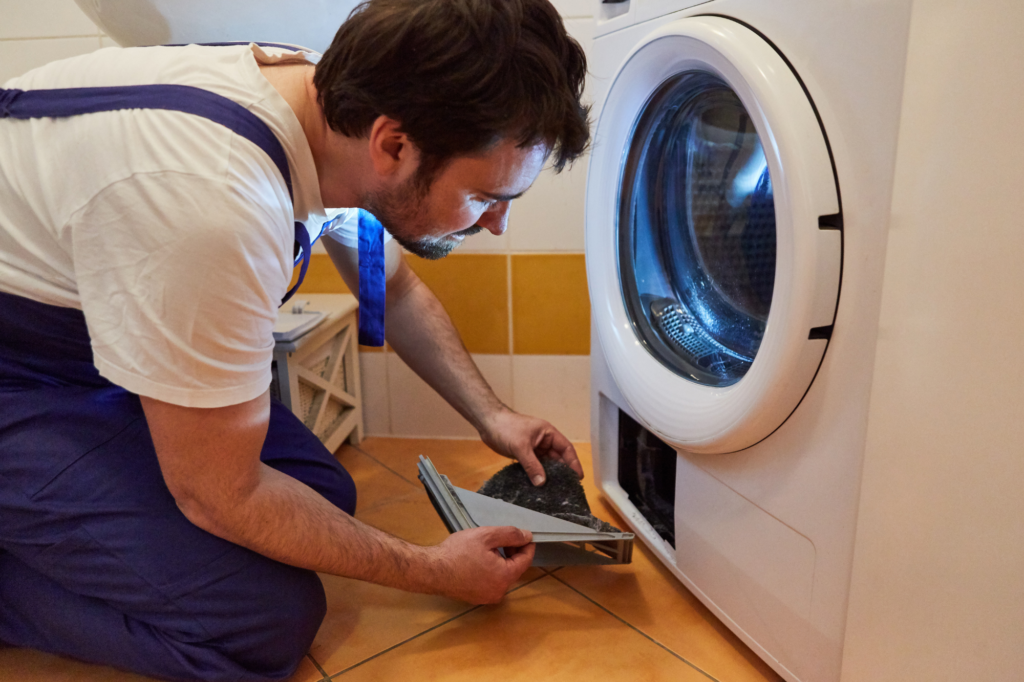
Understanding the Role of Springs in Brant Cloth Dryers
Springs in a cloth dryer are responsible for maintaining tension and balance in various internal mechanisms. These include the drum support system, door latch, belt tensioner, and sometimes suspension systems.
Key Functions of Dryer Springs
- Maintain proper drum alignment
- Provide tension to the drive belt
- Support door mechanism and ensure proper closure
- Reduce vibration and noise
- Help in smooth rotation of internal components
Without properly functioning springs, the dryer may produce unusual noises, fail to rotate correctly, or stop working altogether.
Pain Points of Brant Cloth Dryer Repair Springs
Understanding the real challenges users face with Brant cloth dryer Repair Springs helps in identifying problems early and taking the right action. While springs are small components, their failure can create major inconvenience, disrupt daily routines, and even lead to costly repairs.
1. Unexpected Dryer Breakdowns
One of the biggest frustrations homeowners face is a sudden dryer failure. You may load your clothes as usual, only to find that the drum is not spinning or the machine stops mid-cycle. Faulty springs can disrupt the tension system, causing the dryer to malfunction without warning.
This becomes especially stressful when you rely on your dryer daily. Sudden breakdowns not only delay your chores but also create unnecessary panic. Many users are unaware that a simple spring issue could be the root cause, leading to confusion and delayed repairs.
2. Unusual Noises That Cause Concern
A noisy dryer is not just annoying—it’s often a sign of a deeper mechanical issue. When springs become loose or damaged, they can create rattling, squeaking, or banging sounds during operation.
These noises can be alarming, especially if they get louder over time. Many users worry about further damage or safety risks. Ignoring these sounds can lead to more serious internal issues, making repairs more complex and expensive.
3. Increased Vibration and Movement
Another common pain point is excessive vibration. When springs fail to hold components in place, the dryer may shake or move during operation. This can make the appliance feel unstable and unsafe.
In severe cases, the dryer may even shift from its position, potentially damaging nearby items or flooring. This issue not only affects performance but also raises safety concerns, especially in households with children.
4. Clothes Not Drying Properly
Faulty springs can affect the drum’s rotation, leading to uneven drying. Clothes may come out damp or require multiple cycles to dry completely.
This not only wastes time but also increases electricity bills. Users often blame heating elements or airflow issues, overlooking the role of springs. As a result, the real problem remains unresolved, causing ongoing frustration.
5. Door Not Closing or Latching Properly
A malfunctioning door is another overlooked issue linked to springs. If the door spring is weak or broken, the dryer may not close securely.
This can prevent the dryer from starting or cause it to stop during operation. Users may find themselves repeatedly adjusting the door, unaware that a simple spring replacement could fix the problem.
6. Difficulty in Identifying the Problem
One of the biggest challenges is diagnosing the issue. Springs are internal components, and their failure is not always visible.
Many users assume the problem lies in more complex parts like the motor or control board. This misdiagnosis can lead to unnecessary repairs and higher costs. Without proper knowledge, identifying a spring-related issue becomes difficult.
7. Risk of Further Damage
Ignoring faulty springs can lead to a chain reaction of problems. A loose or broken spring can affect other components, such as the belt, drum, or motor.
Over time, this can result in extensive damage that requires costly repairs or even replacement of the entire appliance. What starts as a minor issue can quickly escalate into a major problem if not addressed promptly.
8. Cost of Repairs and Replacement
While springs themselves are relatively inexpensive, the overall cost of repair can be a concern. Hiring a technician adds labor charges, and misdiagnosis can increase expenses further.
For budget-conscious households, even minor repairs can feel like a burden. This often leads to delayed action, which only worsens the problem over time.
9. Lack of Technical Knowledge
Many users lack the technical knowledge required to handle dryer repairs. The idea of opening the appliance and dealing with internal components can be intimidating.
This lack of confidence prevents users from attempting simple fixes. As a result, they rely entirely on professional services, even for minor issues like spring replacement.
10. Safety Concerns During DIY Repairs
While DIY repairs can save money, they come with risks. Handling electrical appliances without proper precautions can lead to injuries or accidents.
Users may fear making mistakes, damaging the dryer further, or exposing themselves to electrical hazards. This fear often discourages them from taking action, leaving the problem unresolved.
11. Time-Consuming Repair Process
Repairing dryer springs is not always a quick task, especially for beginners. Disassembling the dryer, locating the faulty spring, and installing a new one can take time.
For busy individuals, finding time for repairs can be challenging. This leads to prolonged inconvenience and reliance on alternative drying methods.
12. Limited Availability of Replacement Parts
Finding the right replacement springs for a Brant dryer can sometimes be difficult. Not all parts are readily available in local markets, especially in certain regions.
This can delay repairs and extend downtime. Users may have to order parts online and wait for delivery, adding to the frustration.
13. Overloading Habits That Worsen the Problem
Many users unknowingly overload their dryers, putting extra stress on springs and other components. This habit accelerates wear and tear, leading to frequent failures.
Even after repair, continuing this practice can cause the same issue to reoccur. Breaking this habit is essential for long-term performance.
14. Energy Inefficiency and Higher Bills
A dryer with faulty springs often works harder to perform its function. This results in increased energy consumption and higher electricity bills.
Users may notice a gradual rise in costs without realizing the underlying issue. Fixing spring-related problems can significantly improve energy efficiency.
15. Frustration and Daily Routine Disruption
Ultimately, all these pain points lead to one major issue: frustration. A malfunctioning dryer disrupts your daily routine, especially in households where laundry is a frequent task.
The inconvenience of delayed drying, repeated cycles, and unexpected repairs can be overwhelming. Addressing spring issues promptly helps restore normalcy and peace of mind.
Causes of Spring Failure in Brant Cloth Dryers
Understanding the root cause helps in preventing future issues.
Wear and Tear
Springs are under constant tension and can weaken over time.
Overloading the Dryer
Excessive weight increases stress on internal components.
Rust and Corrosion
Moist environments can cause springs to corrode.
Poor Maintenance
Lack of cleaning and inspection can accelerate damage.
Manufacturing Defects
In rare cases, springs may fail prematurely due to defects.
Tools Required for Repair
Before starting any repair work, gather the necessary tools:
- Screwdriver set
- Pliers
- Replacement springs
- Work gloves
- Flashlight
- Multimeter (optional for advanced checks)
Having the right tools ensures safety and efficiency.
When to Replace Instead of Repair
Sometimes, replacing the spring is more practical than repairing it.
Situations Requiring Replacement
- Completely broken spring
- Severe rust or corrosion
- Repeated failures
- Loss of elasticity
Replacing worn springs ensures better performance and longevity.
Cost of Brant Cloth Dryer Spring Repair
The cost depends on several factors:
- Price of replacement springs
- Labor charges (if hiring a technician)
- Model of the dryer
Estimated Costs
- Springs: $10–$50
- Professional repair: $50–$150
DIY repair can significantly reduce expenses.
Brant Cloth Dryer Error Codes and Their Meaning
Understanding error codes is essential when dealing with Brant cloth dryer Repair Springs and other internal issues. Modern dryers are designed with diagnostic systems that display error codes whenever something goes wrong. These codes help identify the exact problem, saving time and preventing unnecessary repairs. While not all error codes are directly related to springs, many issues tied to tension, drum movement, or internal imbalance can trigger these alerts.
E1 Error Code – Temperature Sensor Fault
The E1 error typically indicates a problem with the temperature sensor. This sensor monitors heat levels inside the dryer to ensure safe operation.
Possible Causes:
- Faulty or disconnected temperature sensor
- Damaged wiring
- Overheating due to restricted airflow
Connection to Springs:
If springs affecting drum movement are damaged, airflow inside the dryer may become uneven, indirectly causing overheating and triggering this error.
Solution:
Check the sensor wiring and ensure proper airflow. Replace the sensor if necessary.
E2 Error Code – Heating Issue
The E2 code appears when the dryer is not heating properly or overheating.
Possible Causes:
- Defective heating element
- Blown thermal fuse
- Malfunctioning thermostat
Connection to Springs:
A misaligned drum caused by faulty springs can disrupt heat distribution, leading to inefficient heating and triggering the error.
Solution:
Inspect heating components and replace faulty parts. Ensure the drum rotates smoothly.
E3 Error Code – Drum Rotation Problem
This is one of the most relevant codes when discussing Brant cloth dryer Repair Springs.
Possible Causes:
- Broken or loose springs
- Worn drive belt
- Motor issues
Impact:
The dryer may stop spinning or rotate unevenly.
Solution:
Inspect springs and replace any that are damaged. Also check the belt and motor for proper function.
E4 Error Code – Door Lock Error
The E4 error indicates that the dryer door is not properly closed or locked.
Possible Causes:
- Faulty door latch
- Weak or broken door spring
- Misaligned door
Connection to Springs:
Door springs play a key role in ensuring a tight seal. If they fail, the dryer cannot operate safely.
Solution:
Check the door mechanism and replace the spring if needed.
E5 Error Code – Voltage or Power Issue
This error appears when there is an irregular power supply.
Possible Causes:
- Low or high voltage
- Loose electrical connections
- Faulty power cord
Connection to Springs:
Although not directly related, a malfunctioning dryer caused by spring issues may put extra strain on electrical components.
Solution:
Ensure a stable power supply and inspect wiring connections.
E6 Error Code – Motor Malfunction
The E6 code indicates a problem with the dryer motor.
Possible Causes:
- Overheating motor
- Worn-out components
- Obstruction in drum movement
Connection to Springs:
Broken springs can cause drum resistance, forcing the motor to work harder and eventually triggering this error.
Solution:
Inspect the motor and ensure the drum moves freely. Replace damaged springs to reduce strain.
E7 Error Code – Airflow Restriction
Proper airflow is essential for efficient drying. The E7 error signals restricted airflow.
Possible Causes:
- Blocked vents
- Dirty lint filter
- Internal obstruction
Connection to Springs:
If the drum is misaligned due to faulty springs, airflow patterns can be disrupted, contributing to this issue.
Solution:
Clean vents and filters. Ensure internal components are properly aligned.
E8 Error Code – Overload Detection
The E8 code appears when the dryer is overloaded.
Possible Causes:
- Excessive load
- Imbalanced drum
- Strained internal components
Connection to Springs:
Overloading puts extra pressure on springs, causing them to weaken or break over time.
Solution:
Reduce load size and inspect springs for damage.
E9 Error Code – Internal Communication Error
This error indicates a problem with the control board communication.
Possible Causes:
- Faulty control panel
- Wiring issues
- Software glitch
Connection to Springs:
While not directly linked, mechanical issues like broken springs can sometimes trigger system errors due to abnormal operation.
Solution:
Restart the dryer and check connections. Replace the control board if needed.
Importance of Addressing Error Codes Quickly
Ignoring error codes can lead to serious consequences:
- Increased repair costs
- Permanent damage to components
- Reduced efficiency
- Safety risks
Timely action ensures your dryer remains in good condition and avoids unnecessary expenses.
Benefits of Timely Spring Repair
Fixing springs promptly offers multiple advantages:
- Improved dryer efficiency
- Reduced noise
- Extended appliance lifespan
- Lower energy consumption
- Prevention of further damage
DIY vs Professional Repair
DIY Repair
- Cost-effective
- Suitable for minor issues
- Requires basic tools and knowledge
Professional Repair
- Ideal for complex problems
- Ensures proper installation
- Saves time and effort
Choose based on your skill level and the severity of the issue.
Common Mistakes to Avoid
- Ignoring early warning signs
- Using incorrect replacement parts
- Skipping safety precautions
- Over-tightening components
- Not testing after repair
Avoiding these mistakes ensures a successful repair.
How to Choose the Right Replacement Springs
When purchasing springs, consider:
- Compatibility with your Brant dryer model
- Material quality
- Durability
- Manufacturer recommendations
Using genuine parts improves performance and reliability.
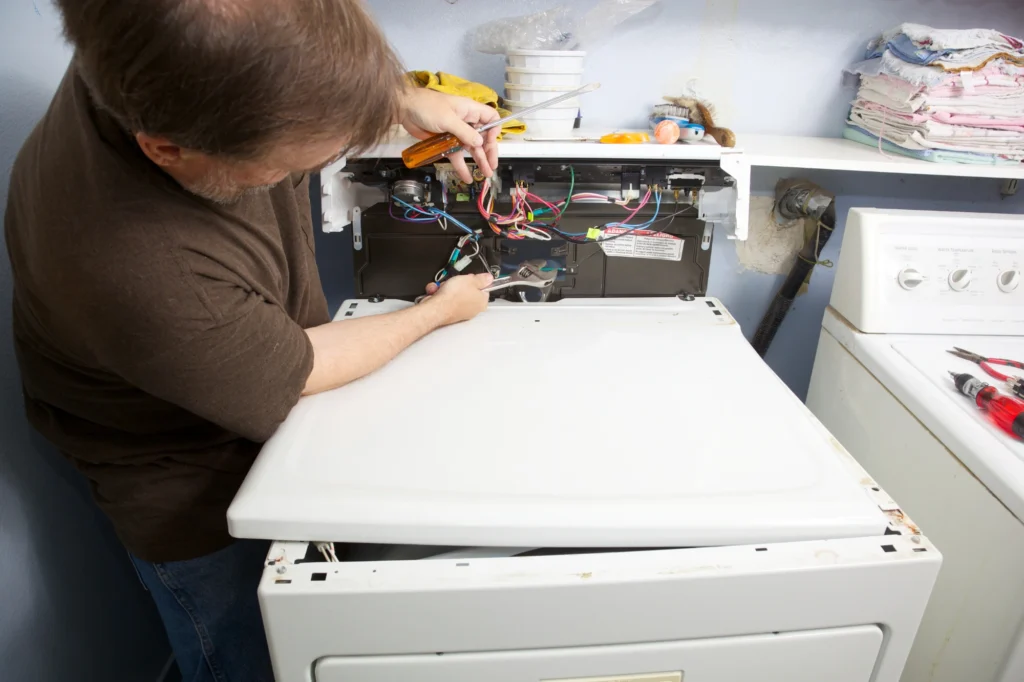
FAQs
1. What are the signs that my Brant cloth dryer springs need repair?
Common signs include unusual noises, excessive vibration, and improper drum movement. You may also notice that the dryer door doesn’t close properly. In some cases, the dryer may stop mid-cycle due to tension issues. Regular inspection helps detect these problems early. Addressing them quickly prevents further damage.
2. Can I repair dryer springs myself?
Yes, you can repair dryer springs if you have basic tools and knowledge. The process involves disconnecting power, accessing internal components, and replacing the faulty spring. However, safety precautions must be followed carefully. If the issue seems complex, it is better to consult a professional. DIY repairs are cost-effective but require attention to detail.
3. How long do dryer springs typically last?
Dryer springs usually last several years depending on usage and maintenance. Frequent use and overloading can reduce their lifespan. Environmental factors like moisture can also cause rust and damage. Regular maintenance and proper usage can extend their life. Replacing worn springs on time prevents major breakdowns.
4. What causes dryer springs to break?
Springs can break due to wear and tear, excessive load, and corrosion. Over time, constant tension weakens the metal. Moisture exposure can lead to rust, making springs brittle. Poor maintenance also contributes to early failure. Using the dryer within recommended limits helps prevent damage.
5. Is it better to repair or replace dryer springs?
If the spring is slightly damaged, repair might be possible. However, in most cases, replacing the spring is more effective and reliable. New springs ensure proper tension and performance. Repairs may not provide long-term results if the spring is worn out. Replacement is usually the best solution for durability and safety.
Get Your Brant Cloth Dryer Running Like New Today
Don’t let a faulty spring slow down your daily routine. When your dryer starts making noise, vibrating excessively, or failing to spin properly, it’s a clear sign that action is needed. Addressing issues related to Brant cloth dryer Repair Springs early can save you from costly repairs and extend the life of your appliance. Whether you choose a quick DIY fix or professional assistance, timely repair ensures your dryer performs efficiently and safely.
Imagine the convenience of perfectly dried clothes without interruptions or unexpected breakdowns. By replacing worn-out springs and maintaining your dryer regularly, you can restore its smooth operation and reduce energy consumption. Ignoring small issues today can lead to bigger, more expensive problems tomorrow.
Take the first step toward hassle-free laundry care. Inspect your dryer, identify any spring-related issues, and fix them before they worsen. If you’re unsure, don’t hesitate to contact a qualified technician for expert help. Your comfort and convenience matter, and a well-functioning dryer makes all the difference.
Act now and bring your Brant cloth dryer back to peak performance!