
Dishwashers have become an essential appliance in modern homes, making daily cleaning tasks easier and more efficient. Among various brands, Brant dishwashers are known for their reliability, durability, and advanced features. However, like any appliance, they can develop issues over time due to wear and tear, improper usage, or lack of maintenance.
If you are searching for Brant Dishwasher Repair Springs, you are likely dealing with a malfunctioning appliance that is disrupting your daily routine. Whether your dishwasher is not cleaning properly, not draining, leaking, or making unusual noises, understanding the root cause is the first step toward effective repair.
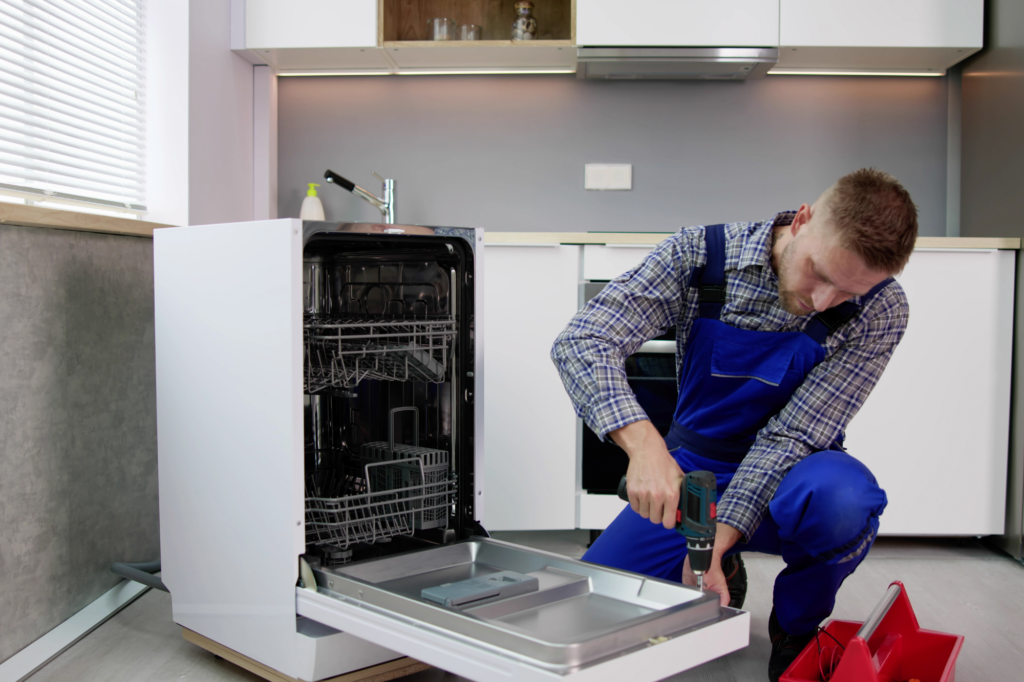
Why Choose Brant Dishwasher Repair Springs Services?
When your dishwasher stops working, quick and professional repair is crucial. Here’s why expert repair services are the best choice:
1. Certified Technicians
Professional technicians are trained to handle all models of Brant dishwashers. They understand internal components and can quickly diagnose issues.
2. Genuine Spare Parts
Using original replacement parts ensures durability and optimal performance of your dishwasher.
3. Same-Day Service
Quick response time minimizes inconvenience and ensures your kitchen routine is not disrupted for long.
4. Cost-Effective Repairs
Repairing your dishwasher is often more affordable than replacing it entirely.
5. Advanced Tools & Techniques
Professionals use modern diagnostic tools to identify problems accurately and fix them efficiently.
Common Pain Points in Brant Dishwashers
Understanding common issues in your Brant dishwasher can help you detect problems early, avoid unexpected breakdowns, and reduce repair costs. Dishwashers are complex appliances with electrical, mechanical, and water-related components working together. When one part fails, it can affect the entire system.
1. Dishwasher Not Starting
One of the most frustrating issues is when your dishwasher refuses to start. This problem can completely disrupt your kitchen routine and often leaves users confused about the cause.
Possible Causes:
- Power supply issues such as a tripped circuit breaker or unplugged cord
- Faulty door latch preventing the machine from starting
- Malfunctioning control panel or electronic board
- Damaged wiring or internal electrical fault
Explanation:
Dishwashers are designed with safety features that prevent operation if the door is not properly closed or if there is an electrical issue. Even a minor fault in the control system can stop the appliance from turning on.
Solution:
Start by checking the power supply. Ensure the dishwasher is properly plugged in and that the circuit breaker has not tripped. Inspect the door latch to confirm it is closing securely. If the control panel is unresponsive or flashing, it may require professional inspection or replacement. Avoid attempting complex electrical repairs yourself.
2. Poor Cleaning Performance
If your dishes come out dirty, greasy, or with food residue, your dishwasher is not performing efficiently. This is one of the most common complaints among users.
Causes:
- Clogged or blocked spray arms
- Dirty or clogged filters
- Low water pressure or insufficient water supply
- Overloading the dishwasher
- Using low-quality detergent
Explanation:
The cleaning performance of a dishwasher depends on proper water circulation, detergent effectiveness, and spray arm movement. When any of these elements are compromised, the cleaning results suffer.
Solution:
Clean the spray arms regularly to remove food particles and mineral buildup. Remove and wash the filters to ensure proper water flow. Avoid overloading the dishwasher, as this can block water spray from reaching all dishes. Always use high-quality detergent and ensure the water supply is adequate. Running hot water in the sink before starting the dishwasher can also improve performance.
3. Dishwasher Not Draining
Standing water at the bottom of the dishwasher after a cycle is a clear sign of drainage issues. This can lead to unpleasant odors and hygiene concerns.
Causes:
- Blocked or kinked drain hose
- Clogged filters filled with food debris
- Faulty drain pump
- Garbage disposal blockage (if connected)
Explanation:
Dishwashers rely on a drainage system to remove dirty water after each cycle. If any part of this system is blocked or damaged, water will remain inside the machine.
Solution:
Check the drain hose for bends or clogs and clean it if necessary. Remove debris from the filter and ensure it is properly installed. If the drain pump is not functioning, it may need replacement by a professional technician. Regular cleaning can prevent most drainage issues.
4. Water Leakage
Water leakage is a serious issue that can damage your kitchen flooring, cabinets, and even electrical systems if left unaddressed.
Causes:
- Worn or damaged door gasket
- Loose hose connections
- Cracked dishwasher tub
- Overloading or improper detergent use
Explanation:
Dishwashers are designed to contain water securely during operation. When seals wear out or connections loosen, water can escape and cause damage to surrounding areas.
Solution:
Inspect the door gasket for signs of wear or cracks and replace it if necessary. Tighten any loose hose connections and check for visible damage. Avoid using excessive detergent, as it can create excess foam and lead to leaks. If the tub is cracked, professional repair or replacement is required.
5. Dishwasher Making Noise
While some noise is normal during operation, loud or unusual sounds indicate a problem that needs attention.
Causes:
- Loose internal components
- Worn-out bearings
- Faulty pump or motor
- Foreign objects stuck in spray arms
Explanation:
Dishwashers operate with motors, pumps, and rotating spray arms. When these components become loose or damaged, they produce unusual noises such as grinding, rattling, or humming.
Solution:
Turn off the dishwasher immediately if you hear unusual noises. Inspect for visible obstructions such as food particles or small objects stuck in the spray arms. If the noise persists, it may indicate a worn motor or pump, which requires professional repair. Ignoring these sounds can lead to more severe damage.
Professional Repair vs DIY
While minor issues can be fixed at home, complex problems require professional help.
DIY Repairs:
- Cleaning filters
- Checking power supply
- Removing debris
Professional Repairs:
- Electrical faults
- Pump replacement
- Sensor issues
- Control board repair
Why Timely Repair is Important
Ignoring dishwasher issues can lead to:
- Bigger mechanical failures
- Higher repair costs
- Water damage
- Electrical hazards
Timely repair ensures safety and efficiency.
Brant Dishwasher Error Codes Explained
Modern Brant dishwashers are equipped with advanced diagnostic systems that display error codes whenever something goes wrong. These codes are extremely helpful because they point directly to the source of the problem, saving time and making repairs easier. Understanding these error codes allows you to take quick action and prevent further damage to your appliance.
E1 – Water Inlet Error
The E1 error indicates that the dishwasher is not receiving enough water during the filling cycle.
Causes:
- Closed or partially closed water supply valve
- Low water pressure
- Blocked or kinked inlet hose
- Faulty water inlet valve
Explanation:
Dishwashers require a steady flow of water to operate properly. If the machine detects insufficient water within a specific time, it triggers the E1 code.
Solution:
Check if the water supply valve is fully open and ensure there are no kinks in the hose. Clean the inlet filter to remove debris. If the issue persists, the inlet valve may need replacement by a technician.
E2 – Drainage Error
The E2 error appears when the dishwasher fails to drain water effectively.
Causes:
- Blocked drain hose
- Clogged filter
- Faulty drain pump
- Air gap blockage
Explanation:
When water remains inside the dishwasher after a cycle, it indicates a drainage failure. This can lead to foul odors and poor cleaning results.
Solution:
Clean the filter and inspect the drain hose for clogs. Make sure the hose is properly installed. If the pump is defective, professional repair is required.
E3 – Heating Element Failure
The E3 error indicates that the dishwasher is not heating water properly.
Causes:
- Faulty heating element
- Defective thermostat
- Wiring issues
- Control board malfunction
Explanation:
Hot water is essential for dissolving detergent and killing bacteria. Without proper heating, dishes will not be cleaned effectively.
Solution:
Check if the dishwasher is connected to a hot water supply. If the problem continues, the heating element or thermostat may need to be replaced by a professional.
E4 – Water Leakage Detected
This error signals that water has leaked into the base of the dishwasher.
Causes:
- Damaged door seal
- Loose internal hoses
- Cracked tub
- Overfilling
Explanation:
Dishwashers have safety sensors that detect leaks to prevent flooding. When water is detected in the base tray, the machine stops working and shows E4.
Solution:
Inspect the door gasket and replace it if worn. Tighten hose connections and check for visible cracks. Avoid overloading the dishwasher. If the issue persists, contact a technician immediately.
E5 – Door Lock Error
The E5 code appears when the dishwasher door is not properly closed or locked.
Causes:
- Faulty door latch
- Misaligned door
- Broken locking mechanism
Explanation:
For safety reasons, dishwashers will not operate unless the door is securely locked. Any issue with the latch triggers this error.
Solution:
Ensure the door is properly aligned and closed tightly. Inspect the latch for damage. If it is broken, it will need replacement.
E6 – Temperature Sensor Error
This error indicates a malfunction in the temperature sensor.
Causes:
- Faulty sensor
- Wiring issues
- Control board failure
Explanation:
The temperature sensor monitors water heat levels during the cycle. If it fails, the dishwasher cannot regulate temperature properly.
Solution:
This issue typically requires professional repair. The sensor or control board may need replacement.
E7 – Water Overflow Error
The E7 error occurs when the dishwasher detects too much water inside.
Causes:
- Faulty float switch
- Overfilling
- Malfunctioning inlet valve
Explanation:
Overflow can lead to leaks and damage. The dishwasher stops automatically to prevent flooding.
Solution:
Check the float switch for proper movement and ensure the water inlet valve is functioning correctly. Professional service may be required.
E8 – Spray Arm Blockage
This error indicates that the spray arms are not rotating properly.
Causes:
- Food debris blocking spray arms
- Overloaded dishwasher
- Damaged spray arm
Explanation:
Spray arms distribute water evenly across dishes. If they are blocked, cleaning performance drops significantly.
Solution:
Remove and clean the spray arms. Ensure dishes are loaded correctly and not blocking movement.
E9 – Circulation Pump Error
The E9 code signals a problem with the circulation pump.
Causes:
- Pump motor failure
- Electrical issues
- Debris obstruction
Explanation:
The circulation pump is responsible for spraying water during the wash cycle. If it fails, the dishwasher cannot clean dishes.
Solution:
Inspect for blockages. If the motor is faulty, it must be replaced by a technician.
E10 – Communication Error
This error indicates a communication failure between internal components.
Causes:
- Faulty wiring
- Control board malfunction
- Software glitch
Explanation:
Modern dishwashers rely on electronic communication between parts. Any disruption can stop the machine from functioning.
Solution:
Reset the dishwasher by turning it off for a few minutes. If the error persists, professional diagnosis is required.
Tips for Handling Error Codes
- Always refer to your dishwasher manual for specific code meanings
- Do not ignore error codes, as they indicate real problems
- Perform basic checks before calling a technician
- Avoid repeated resets without fixing the root issue
Signs You Need Immediate Repair
- Dishwasher not turning on
- Burning smell
- Water leakage
- Loud noises
- Error codes appearing frequently
Cost of Brant Dishwasher Repair Springs
Repair costs vary depending on the issue:
- Minor repairs: Low cost
- Part replacement: Moderate cost
- Major repairs: Higher cost
However, repair is usually cheaper than buying a new dishwasher.
FAQs – Brant Dishwasher Repair Springs
1. Why is my Brant dishwasher not cleaning properly?
This issue is usually caused by clogged spray arms, dirty filters, or low water pressure. Regular cleaning and proper loading can improve performance. If the problem continues, it may require professional inspection.
2. What should I do if my dishwasher is leaking?
First, check the door seal and connections. Leakage often occurs due to worn gaskets or loose hoses. If you cannot identify the source, it’s best to call a technician to prevent further damage.
3. How often should I service my dishwasher?
It is recommended to service your dishwasher at least once a year. Regular maintenance helps prevent major issues and ensures efficient performance.
4. Can I fix dishwasher errors myself?
Minor issues like cleaning filters or resetting the machine can be handled at home. However, technical problems such as electrical faults or sensor errors require professional repair.
5. Is it better to repair or replace my dishwasher?
If the repair cost is low and the appliance is not too old, repairing is the best option. Replacement is recommended only when repair costs are very high or the machine is beyond repair.
Get Fast & Reliable Brant Dishwasher Repair Springs Today
Don’t let a faulty dishwasher disrupt your daily routine or add unnecessary stress to your life. If your appliance is showing signs of trouble—whether it’s not cleaning properly, leaking, making noise, or displaying error codes—it’s time to take action. Choosing professional Brant Dishwasher Repair Springs services ensures your appliance is handled by skilled technicians who understand the problem and fix it efficiently.
Delaying repairs can lead to more serious damage, higher costs, and even safety risks. Instead, trust experts who use advanced tools and genuine spare parts to restore your dishwasher’s performance quickly and effectively. With fast service, accurate diagnosis, and long-lasting solutions, you can enjoy peace of mind knowing your appliance is in safe hands.
Now is the perfect time to bring your dishwasher back to life. Don’t wait for the problem to get worse—take the smart step today. Experience hassle-free repair, improved efficiency, and the convenience you deserve. Let professionals handle the job so you can focus on what matters most in your home.