
Refrigerators are one of the most essential home appliances in any modern household. Whether it is preserving fresh food, storing frozen items, or keeping beverages cool, a fridge works continuously 24/7. Because of this constant operation, even a minor fault can disrupt daily life. In residential communities like Meadows, where families rely heavily on kitchen appliances, timely repair and maintenance become extremely important.
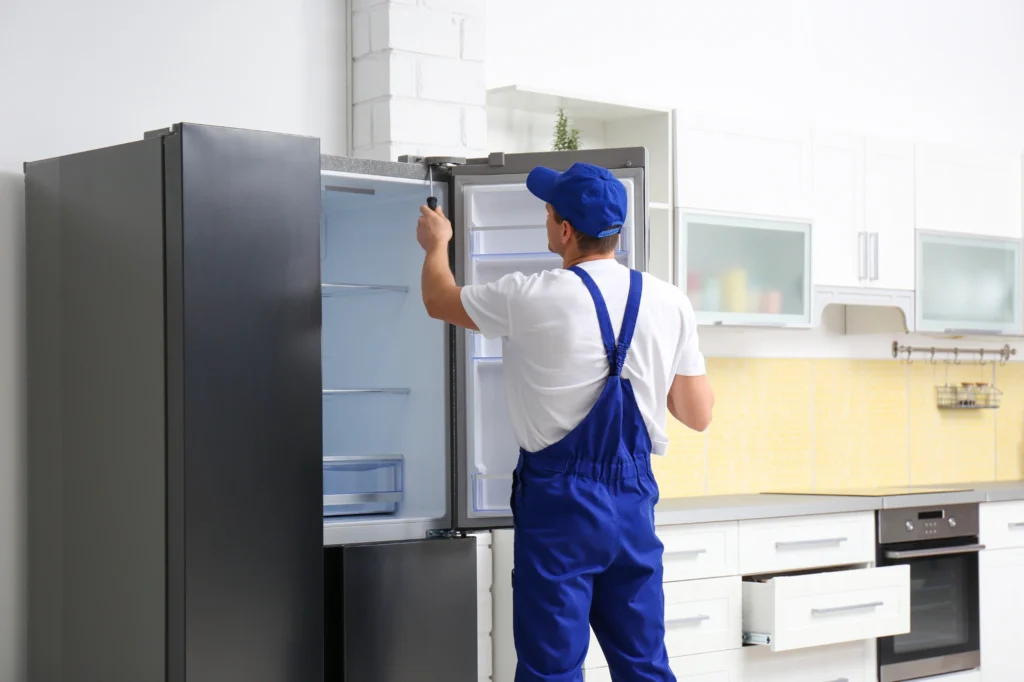
Importance of Refrigerator Repair in Meadows
Living in Meadows means a busy lifestyle, and a malfunctioning fridge can cause serious inconvenience. Food spoilage, water leakage, and energy wastage are just a few issues that arise when a refrigerator stops working efficiently.
Key reasons repair is essential:
- Prevents food spoilage and waste
- Reduces electricity consumption
- Extends appliance lifespan
- Ensures hygiene and food safety
- Avoids costly replacements
Regular maintenance and timely repair help keep your refrigerator in top condition.
Common Brant Refrigerator Pain Points
Brant refrigerators are designed for durability, efficiency, and long-term performance. However, like all electrical appliances, they can develop technical faults over time due to continuous usage, environmental conditions, and lack of maintenance. In residential areas like Meadows, where households depend heavily on refrigerators for daily food storage, even a small issue can become a major inconvenience.
1. Refrigerator Not Cooling Properly
One of the most frequently reported issues is insufficient cooling. When a refrigerator stops maintaining proper temperature, food begins to spoil quickly, leading to waste and hygiene concerns.
Causes:
- Dirty or clogged condenser coils
- Faulty compressor
- Low refrigerant gas levels
- Blocked air circulation vents
- Thermostat malfunction
Symptoms:
- Food items spoil earlier than expected
- Weak cooling in the fridge section
- Freezer not freezing effectively
- Temperature fluctuations inside compartments
Solution:
Technicians begin by inspecting condenser coils and cleaning accumulated dust and dirt. This improves heat exchange efficiency. If refrigerant levels are low, leakage detection is performed, and gas is refilled after fixing leaks. In case of compressor failure, replacement may be necessary.
Proper airflow management inside the fridge is also checked to ensure even cooling. Regular maintenance significantly reduces the chances of this issue.
2. Excessive Frost Build-Up
Excessive frost or ice accumulation inside the freezer is another common problem that reduces storage space and efficiency.
Causes:
- Faulty defrost heater
- Damaged door gasket allowing warm air entry
- Frequent opening of refrigerator door
- Malfunctioning temperature sensor
Symptoms:
- Thick ice layers in freezer
- Reduced storage capacity
- Blocked air vents due to ice
- Inefficient cooling performance
Solution:
Technicians inspect the defrost system, including heaters and timers. Faulty components are replaced to restore automatic defrosting. Door gaskets are checked and replaced if they are not sealing properly.
Users are also advised to minimize frequent door opening and avoid placing hot food inside the refrigerator.
3. Water Leakage from Refrigerator
Water leakage is a common issue that can damage kitchen flooring and create hygiene problems if not addressed quickly.
Causes:
- Blocked defrost drain pipe
- Cracked or damaged water line
- Ice buildup melting inside freezer
- Improper leveling of refrigerator
Symptoms:
- Water pooling inside fridge compartments
- Leakage on kitchen floor
- Moisture near refrigerator base
- Unpleasant odor due to stagnant water
Solution:
Technicians clean the defrost drain system and remove blockages caused by food particles or ice. If water lines are cracked, they are replaced immediately. Proper leveling of the refrigerator is also ensured to allow smooth drainage.
Regular cleaning of drainage systems helps prevent recurring leakage issues.
4. Refrigerator Making Loud Noise
A refrigerator is expected to operate quietly. However, unusual or loud noises often indicate mechanical or electrical issues.
Causes:
- Faulty evaporator fan motor
- Loose compressor mounting
- Ice hitting fan blades
- Worn-out internal bearings
- Vibrating components
Symptoms:
- Buzzing or humming sound
- Clicking or rattling noises
- Continuous vibration noise
- Sudden loud sounds during operation
Solution:
Technicians inspect the fan motor and compressor assembly. Loose parts are tightened, and damaged motors are replaced if necessary. Ice buildup is carefully removed from internal components.
Proper installation and leveling also help reduce vibration-related noise.
5. Fridge Not Turning On
A refrigerator that does not turn on is a serious issue and requires immediate attention.
Causes:
- Power supply failure or socket issue
- Faulty thermostat
- Damaged relay or starter
- Control board malfunction
- Internal wiring faults
Symptoms:
- No lights or sound from refrigerator
- Completely unresponsive appliance
- No cooling at all
- No compressor activity
Solution:
Technicians first check the power supply and electrical connections. If the issue is internal, the thermostat, relay, or control board is tested using diagnostic tools. Faulty components are replaced to restore functionality.
Electrical issues should never be handled without professional support due to safety risks.
6. Refrigerator Running Continuously
Another common issue is when the refrigerator keeps running without stopping.
Causes:
- Faulty thermostat
- Dirty condenser coils
- Door seal leakage
- Overloaded compartments
Symptoms:
- High electricity bills
- Continuous compressor operation
- Excessive cooling or freezing
Solution:
Cleaning condenser coils and checking door seals usually resolves the issue. If thermostat malfunction is detected, replacement is required.
7. Weak or Uneven Cooling
Sometimes the fridge cools, but not evenly across all compartments.
Causes:
- Blocked air vents
- Faulty evaporator fan
- Improper food placement
- Sensor issues
Symptoms:
- Some areas cold, others warm
- Inconsistent food storage temperature
Solution:
Technicians restore airflow by clearing vents and repairing fan systems. Proper organization inside the fridge also improves cooling efficiency.
Importance of Early Problem Detection
Identifying refrigerator problems early helps prevent costly repairs. Warning signs include:
- Weak cooling performance
- Strange noises
- Water leakage
- Ice buildup
- Higher electricity consumption
Ignoring these signs can lead to complete breakdown and expensive compressor replacement.
Preventive Maintenance Tips
To keep your Brant refrigerator running efficiently:
- Clean condenser coils every 3–6 months
- Avoid overloading shelves
- Keep door seals clean and tight
- Do not store hot food inside
- Maintain proper ventilation around the fridge
Regular maintenance ensures longer appliance life and better energy efficiency.
Causes of Refrigerator Breakdowns in Meadows
Several environmental and usage factors affect refrigerator performance:
1. High Ambient Temperature
Hot climates force refrigerators to work harder, increasing wear and tear.
2. Frequent Power Fluctuations
Voltage instability can damage compressors and control boards.
3. Lack of Maintenance
Dust buildup reduces cooling efficiency.
4. Overloading
Overfilled fridges block airflow.
Professional Repair Services in Meadows
Choosing expert Brant Fridge & Refrigerator Repair Meadows services ensures:
- Accurate diagnosis
- Fast repair service
- Genuine spare parts
- Long-term solutions
- Safety assurance
DIY repairs may cause further damage, especially in electrical systems.
Refrigerator Components That Often Fail
1. Compressor
The heart of the refrigerator; failure leads to no cooling.
2. Thermostat
Controls temperature; malfunction affects cooling accuracy.
3. Evaporator Fan
Circulates cool air inside the fridge.
4. Condenser Coils
Dirty coils reduce efficiency.
5. Control Board
Manages all electrical operations.
Energy Efficiency and Refrigerator Performance
A faulty refrigerator consumes more electricity. Regular servicing ensures:
- Lower electricity bills
- Efficient cooling
- Reduced compressor strain
Brant Refrigerator Error Codes
Modern Brant refrigerators come with intelligent diagnostic systems that display error codes when a malfunction is detected. These error codes are extremely useful because they help users and technicians quickly identify the root cause of a problem without unnecessary guesswork.
For homeowners in Meadows, understanding these error codes is especially important because refrigerators run continuously, and even a small issue can affect food safety and daily routine.
1. E1 Error Code – Temperature Sensor Failure
The E1 error code indicates a problem with the refrigerator’s temperature sensor (thermistor).
Causes:
- Faulty temperature sensor
- Loose wiring connection
- Sensor calibration failure
- Control board communication error
Symptoms:
- Incorrect cooling temperature
- Freezer too warm or too cold
- Fluctuating internal temperature
- Refrigerator running continuously
Solution:
Technicians test the thermistor using diagnostic tools. If the sensor is faulty, it is replaced. Wiring connections are checked for looseness or corrosion. In some cases, the control board is recalibrated or repaired to restore proper communication between components.
Temperature sensors are critical for maintaining stable cooling, so early repair is essential.
2. E2 Error Code – Freezer Sensor Fault
The E2 error code specifically relates to the freezer compartment sensor.
Causes:
- Damaged freezer sensor
- Ice buildup affecting sensor reading
- Wiring disconnection
- Faulty control board
Symptoms:
- Freezer not freezing properly
- Excessive frost or no frost at all
- Temperature imbalance between compartments
Solution:
Technicians inspect the freezer sensor and replace it if necessary. Ice buildup around the sensor is removed carefully. Proper insulation and airflow are restored to ensure accurate readings.
3. E3 Error Code – Evaporator Fan Issue
This error indicates a malfunction in the evaporator fan, which circulates cold air inside the refrigerator.
Causes:
- Faulty fan motor
- Ice blockage around fan blades
- Electrical wiring issues
- Worn-out bearings
Symptoms:
- Weak cooling in fridge section
- Uneven temperature distribution
- Unusual humming or buzzing noise
- No airflow inside compartments
Solution:
Technicians inspect the evaporator fan for physical damage or obstruction. Ice is removed, and faulty motors are replaced. Proper airflow restoration ensures even cooling across all compartments.
4. E4 Error Code – Defrost System Failure
The E4 error code indicates a malfunction in the automatic defrost system.
Causes:
- Faulty defrost heater
- Broken defrost timer
- Malfunctioning defrost thermostat
- Wiring issues
Symptoms:
- Ice buildup inside freezer
- Blocked airflow vents
- Reduced cooling efficiency
- Refrigerator overworking continuously
Solution:
Technicians test the defrost heater and timer system. Faulty components are replaced to restore automatic defrost cycles. This prevents excessive ice buildup and improves performance.
5. E5 Error Code – Compressor Problem
The E5 error code is one of the most serious errors, indicating a compressor malfunction.
Causes:
- Compressor motor failure
- Low refrigerant gas pressure
- Electrical relay failure
- Overheating compressor
Symptoms:
- No cooling at all
- Clicking sound from back of fridge
- Refrigerator not running properly
- Warm interior temperature
Solution:
Technicians first test the compressor relay and electrical supply. If the compressor is faulty, it may need repair or full replacement. Refrigerant gas levels are also checked and refilled if necessary.
Compressor issues require immediate professional attention.
6. E6 Error Code – Communication Error
This error indicates a communication failure between the control board and refrigerator components.
Causes:
- Faulty main control board
- Damaged wiring harness
- Power surge damage
- Loose internal connections
Symptoms:
- Refrigerator stops responding
- Random shutdowns
- Display malfunctions
- Irregular cooling behavior
Solution:
Technicians inspect wiring and reconnect loose cables. If the control board is damaged, it is repaired or replaced. Surge protectors are recommended to prevent future damage.
7. E7 Error Code – Low Voltage Supply
E7 indicates that the refrigerator is receiving insufficient voltage.
Causes:
- Power fluctuations in home supply
- Faulty socket or plug
- Damaged power cable
- Electrical instability
Symptoms:
- Refrigerator turns on and off repeatedly
- Weak cooling performance
- Compressor not starting properly
Solution:
Technicians check voltage levels and electrical supply. Stabilizers may be recommended. Faulty wiring or sockets are replaced to ensure consistent power flow.
8. E8 Error Code – High Temperature Warning
This error indicates that the internal temperature is higher than safe levels.
Causes:
- Door left open for long time
- Faulty cooling system
- Compressor failure
- Poor ventilation
Symptoms:
- Food spoiling quickly
- Warm refrigerator interior
- Continuous running without cooling
Solution:
Technicians inspect cooling components and restore airflow. Compressor and fan systems are tested. Proper door sealing is also checked.
9. E9 Error Code – Ice Maker Fault (If Applicable)
For models with ice makers, this error indicates a malfunction in the ice-making system.
Causes:
- Water inlet blockage
- Faulty ice maker motor
- Sensor failure
- Frozen water line
Symptoms:
- No ice production
- Irregular ice formation
- Water leakage in ice tray area
Solution:
Technicians inspect water lines and ice maker assembly. Blockages are cleared, and faulty components are replaced.
10. Importance of Understanding Error Codes
Error codes are designed to act as early warning signals. They help users identify problems before they turn into major breakdowns.
Ignoring error codes can lead to:
- Compressor failure
- Food spoilage
- High electricity bills
- Expensive repairs
- Complete appliance shutdown
Benefits of Timely Repair
- Saves money on replacement
- Improves appliance performance
- Extends lifespan
- Ensures food safety
Cost Factors for Repair in Meadows
Repair costs depend on:
- Type of issue
- Spare parts required
- Compressor condition
- Service urgency
Future of Smart Refrigerators
Modern Brant refrigerators include:
- Smart temperature control
- Energy-saving modes
- Digital diagnostics
Proper maintenance ensures these features work effectively.
FAQs
1. Why is my Brant refrigerator not cooling properly?
This issue is usually caused by dirty condenser coils, low refrigerant gas, or a faulty compressor. Blocked airflow inside the fridge can also reduce cooling efficiency. Sometimes thermostat failure leads to incorrect temperature regulation. Cleaning coils and checking gas levels can help. If the problem continues, professional repair is recommended.
2. What causes water leakage in a refrigerator?
Water leakage is often caused by a blocked defrost drain or cracked water line. Improper leveling of the fridge can also lead to water pooling. In some cases, ice buildup melting inside the freezer causes leakage. Cleaning drainage pipes usually resolves the issue. Technicians may replace damaged parts if needed.
3. Why is my refrigerator making loud noises?
Loud noises can come from a faulty fan motor, loose compressor, or ice hitting internal components. Worn-out bearings may also cause vibration sounds. These issues usually indicate mechanical wear. A technician can inspect and replace faulty parts. Regular maintenance reduces noise problems.
4. What should I do if my fridge stops working completely?
First, check the power supply and socket. If electricity is fine, the issue may be a faulty thermostat, relay, or control board. Avoid trying to fix electrical components yourself. Call a professional technician for safe diagnosis. Immediate repair helps prevent further damage.
5. How often should I service my refrigerator?
It is recommended to service your refrigerator at least once a year. Regular maintenance improves cooling efficiency and prevents breakdowns. Cleaning coils and checking seals should be done frequently. In hot climates like Meadows, servicing every 6 months is ideal. Professional servicing ensures long-term performance.
Book Reliable Brant Fridge & Refrigerator Repair in Meadows Today
If your refrigerator is not cooling properly, leaking water, making unusual noises, or showing signs of complete failure, don’t wait for the problem to get worse. A faulty fridge can quickly lead to food spoilage, higher electricity bills, and costly long-term damage. That’s why professional help is the best solution.
Our expert technicians specialize in Brant fridge & refrigerator repair in Meadows, offering fast, efficient, and affordable repair services right at your doorstep. We diagnose issues accurately using advanced tools and ensure your appliance is restored to peak performance. From compressor failures to thermostat issues, leakage problems to cooling faults, we handle it all with precision and care.
We believe in providing long-lasting repair solutions using high-quality spare parts, transparent pricing, and quick response times. Whether it’s an emergency breakdown or routine maintenance, our team is always ready to help.
Don’t compromise on your kitchen convenience. Call now or book online for trusted Brant fridge & refrigerator repair in Meadows and enjoy peace of mind knowing your appliance is in expert hands. Get your fridge running like new again today.